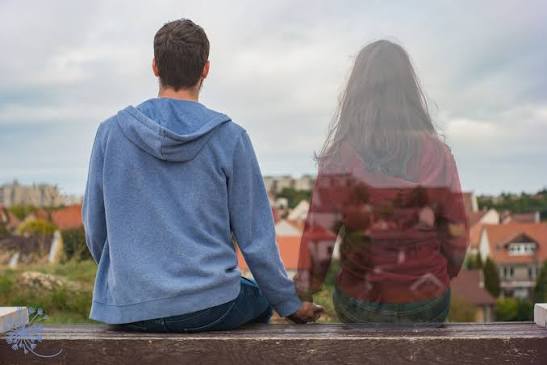
Every relationship goes through different seasons. There are times when couples feel deeply connected, communicate effortlessly, and enjoy spending time together. There are also periods when life becomes busy, stress increases, and emotional or physical closeness starts to fade. While occasional distance is normal, a prolonged lack of connection can affect how a person feels, behaves, and interacts with their partner.
It’s important to remember that no single behavior proves someone is missing emotional or physical closeness. People respond to stress, relationship challenges, and personal circumstances in different ways. However, certain patterns may suggest that a person is craving more connection, affection, understanding, or quality time within their relationship.
Recognizing these signs early can help couples address problems before they grow into larger issues. Healthy relationships thrive when both partners feel valued, understood, and emotionally supported.
They Seem More Emotionally Withdrawn
One of the most common signs of missing closeness in a relationship is emotional withdrawal. A person who once enjoyed sharing thoughts, feelings, and daily experiences may become quieter over time. They may stop talking about their day, avoid discussing personal concerns, or seem less interested in meaningful conversations.
This doesn’t necessarily mean they no longer care about the relationship. In many cases, emotional withdrawal happens because a person feels disconnected, unheard, or uncertain about how to express their needs. When emotional closeness decreases, some individuals protect themselves by becoming more reserved.
They Frequently Seek Reassurance
Everyone appreciates feeling loved and valued, but someone who feels emotionally disconnected may seek reassurance more often than usual. They may ask whether their partner still loves them, wonder if something has changed, or become more sensitive to perceived signs of rejection.
This behavior often reflects a desire for security rather than insecurity alone. When emotional connection feels inconsistent, people naturally look for confirmation that the relationship remains strong.
They Become More Sensitive to Small Issues
When emotional needs are being met, minor disagreements are often easier to handle. However, when someone feels disconnected, even small disappointments may seem much larger.
For example, a forgotten text message, canceled plan, or brief disagreement may trigger stronger emotional reactions than expected. Often, the issue isn’t the event itself but the deeper feeling of not being prioritized or emotionally connected.
They Spend More Time in Distractions
People who feel disconnected sometimes turn to distractions as a way of coping. This may include spending excessive time on social media, watching television, gaming, working longer hours, or focusing heavily on hobbies.
While hobbies and personal interests are healthy, constantly using distractions to avoid emotional discomfort may indicate that something important is missing within the relationship.
They Talk About the Past More Often
When people miss closeness, they sometimes reflect on periods when the relationship felt stronger. They may frequently mention old memories, past vacations, early dating experiences, or moments when they felt especially connected to their partner.
These conversations aren’t always about nostalgia. Sometimes they’re subtle reminders of what the person misses and hopes to experience again.
They Feel Lonely Even When Together
One of the most difficult experiences in a relationship is feeling lonely while sitting next to someone you care about.
Physical presence alone doesn’t guarantee emotional connection. A person may spend every day with their partner yet still feel isolated if meaningful conversations, affection, and emotional support have become rare. This type of loneliness can be especially painful because it exists despite having someone physically nearby.
They Crave More Quality Time
A person who feels emotionally disconnected often places greater importance on spending meaningful time together. They may suggest more activities as a couple, ask for uninterrupted conversations, or express frustration when work, phones, or other responsibilities constantly take priority.
Quality time helps many people feel valued and appreciated. When it’s missing, feelings of distance can gradually grow.
They Appear Less Enthusiastic About the Relationship
When emotional and physical closeness decreases for an extended period, excitement about the relationship may begin to fade. Someone who was once enthusiastic about future plans, shared activities, or relationship milestones may seem less engaged.
This doesn’t always indicate a lack of love. In many cases, it reflects disappointment, emotional exhaustion, or unmet relationship needs that have accumulated over time.
They Become More Focused on Validation
People naturally want to feel appreciated. If someone isn’t receiving enough emotional connection within their relationship, they may begin looking for validation elsewhere.
This doesn’t necessarily mean seeking another romantic partner. It may involve spending more time with friends, seeking praise at work, becoming highly active on social media, or relying heavily on outside approval. These behaviors often reflect a desire to feel noticed, valued, and understood.
Physical Affection Becomes a Bigger Topic
For many people, physical affection is an important expression of love and connection. Hugs, holding hands, cuddling, and other affectionate gestures often communicate comfort and reassurance.
When physical closeness decreases significantly, some individuals may begin discussing it more frequently or expressing disappointment about the lack of affection. Their concern is often less about the specific behavior and more about what it represents emotionally.
They Feel Unappreciated
Feeling appreciated is one of the foundations of a healthy relationship. When someone feels overlooked, taken for granted, or constantly criticized, emotional distance often follows.
A person who misses closeness may frequently mention feeling unnoticed or unsupported. Small acts of appreciation can have a powerful impact because they remind people that their efforts and presence matter.
Their Mood Changes More Frequently
A lack of connection can sometimes influence emotional well-being. People who feel emotionally distant from their partner may experience increased frustration, sadness, irritability, or disappointment.
Of course, mood changes can result from many factors, including stress, work pressures, health concerns, and personal challenges. However, relationship disconnection can contribute to emotional strain when it persists for long periods.
They Stop Sharing Their Needs
Interestingly, some people react to disconnection by becoming completely silent about their needs. After repeated attempts to express concerns without feeling heard, they may simply stop trying.
This silence can be mistaken for satisfaction when, in reality, it may reflect resignation. Open communication is essential because unmet needs rarely disappear on their own.
They Daydream About Feeling More Connected
People who miss emotional closeness often imagine what a stronger connection would feel like. They may think about having deeper conversations, spending more meaningful time together, or restoring affection that once came naturally.
These thoughts don’t necessarily mean they’re unhappy with their partner. Instead, they may simply reflect a desire to strengthen the relationship and feel closer again.
Stress Feels Harder to Manage
Relationships often provide emotional support during difficult times. When someone feels disconnected from their partner, everyday stress may feel more overwhelming because they don’t feel fully supported.
Knowing that someone understands and cares about your struggles can significantly reduce emotional burden. Without that sense of support, challenges often feel heavier.
They Compare Their Relationship to Others
While comparing relationships is rarely helpful, people who feel disconnected sometimes do it more frequently. They may notice affectionate couples, strong partnerships, or stories about healthy relationships and wonder why their own relationship feels different.
These comparisons usually reflect a desire for greater connection rather than jealousy.
Rebuilding Closeness Is Possible
The good news is that emotional and physical closeness can often be rebuilt when both partners are willing to make an effort. Small changes such as spending quality time together, expressing appreciation, listening more attentively, showing affection, and discussing relationship needs openly can make a significant difference.
Strong relationships aren’t built on perfection. They’re built on consistent effort, mutual respect, and a willingness to reconnect when distance appears.
Final Thoughts
Missing emotional and physical closeness in a relationship doesn’t necessarily mean the relationship is failing. In many cases, it simply signals that important needs are not being fully met. Emotional withdrawal, increased sensitivity, loneliness, a desire for reassurance, and a stronger need for quality time are all potential signs that someone may be craving deeper connection with their partner.
The most important step is recognizing these signs with compassion rather than judgment. Healthy relationships require ongoing attention, communication, and care. When couples openly discuss their needs and work together to strengthen their bond, emotional and physical closeness can often return, creating a stronger and more fulfilling partnership for both people.