
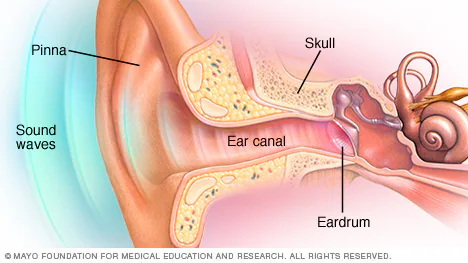
Hearing loss affects millions worldwide, impacting communication, social interaction, and overall quality of life. Traditional interventions like hearing aids or cochlear implants can only partially restore hearing, as they do not repair the underlying nerve damage inside the inner ear. However, recent breakthroughs in stem cell research offer hope for regenerating damaged nerves in the cochlea, potentially restoring natural hearing. Here are 20 important aspects of this groundbreaking development explained in detail.
1. Understanding Inner Ear Nerve Damage
Hearing relies on delicate structures in the inner ear, particularly the cochlear hair cells and the auditory nerve. These components translate sound vibrations into electrical signals that the brain interprets as sound. Damage to hair cells or auditory nerves—caused by aging, noise exposure, infections, or certain medications—leads to hearing loss.
Current treatments like hearing aids amplify sound but do not restore the underlying nerve connections. This is where stem cells present a revolutionary solution. By regenerating damaged nerve cells, researchers aim to restore the natural pathway of sound transmission. Understanding the precise mechanisms of nerve damage is crucial for designing effective regenerative therapies.
Stem cell therapy targets the regeneration of both hair cells and their connections to the auditory nerve. Successful regeneration can restore the ability to perceive sound frequencies accurately, potentially reversing sensorineural hearing loss. Researchers emphasize that early intervention is key, as prolonged nerve damage can reduce the efficacy of regenerative treatments.
2. Stem Cells: The Foundation of Regeneration
Stem cells are unique because they have the ability to differentiate into specialized cell types and self-renew. In the context of hearing loss, stem cells can be coaxed into becoming hair cells or auditory nerve cells within the cochlea.
Researchers isolate stem cells from sources such as embryonic tissue, induced pluripotent stem cells (iPSCs), or adult stem cells. These cells are then guided through controlled environments to develop into cells that mimic natural inner ear structures. Once introduced into the damaged cochlea, they integrate with existing tissue and form new connections with auditory nerves.
The regenerative potential of stem cells makes them a promising candidate for treating previously irreversible hearing loss. Unlike mechanical devices that only amplify sound, stem cells aim to restore natural auditory function. Advances in cell engineering, growth factor modulation, and gene editing have further enhanced the potential of stem cell therapies.
3. How the Stem Cell Trial Works
The ongoing stem cell trial involves carefully introducing regenerative stem cells into the inner ear to repair damaged auditory nerves. Using minimally invasive techniques, scientists deliver stem cells directly to the cochlea, ensuring maximum integration with existing tissues.
Once inside the cochlea, the stem cells differentiate into hair cells and nerve cells. Researchers monitor the trial participants for signs of restored hearing function, as well as for potential side effects. Early preclinical studies in animal models have shown promising results, with partial restoration of hearing and functional connectivity of regenerated nerves.
The trial also incorporates advanced imaging and electrophysiological testing to track nerve growth and functionality. Researchers are particularly focused on ensuring that regenerated nerves establish precise connections with the brain’s auditory pathways.
4. Potential Impact on Millions Worldwide
If successful, this stem cell therapy could transform the lives of millions with hearing loss. Unlike hearing aids or implants, regenerative therapy addresses the root cause of hearing impairment by restoring natural auditory function.
Patients could regain the ability to perceive subtle sounds, localize auditory signals accurately, and enjoy richer sound quality. This could improve communication, educational outcomes, and professional opportunities for individuals with hearing loss.
Moreover, the therapy could reduce the need for lifelong dependence on assistive devices, lowering long-term healthcare costs and improving overall well-being. The potential social and psychological benefits are significant, as hearing loss often contributes to isolation and depression.
5. Safety Considerations and Challenges
While the potential is enormous, stem cell therapy for hearing restoration carries safety considerations. The primary concerns include immune rejection, uncontrolled cell growth, and potential integration errors.
Researchers are carefully monitoring participants in the trial for adverse effects. Using patient-derived iPSCs can minimize immune rejection, as the cells are genetically matched to the recipient. Rigorous quality control ensures that the stem cells differentiate correctly and do not form tumors or unwanted tissue types.
Challenges also include delivering cells precisely to the cochlea, ensuring survival and functional integration, and maintaining long-term stability of regenerated nerves. Despite these challenges, the trial represents a major milestone in regenerative medicine for auditory health.
6. Early Preclinical Success in Animal Models
Before human trials, stem cell therapies for hearing loss underwent extensive testing in animal models, primarily mice and guinea pigs. Researchers induced damage to the cochlear hair cells and auditory nerves to simulate sensorineural hearing loss.
Stem cells were then introduced into the cochlea, and over time, many studies reported regrowth of hair cells and auditory nerve fibers. These newly formed structures successfully connected to existing neural pathways, allowing the animals to respond to sound stimuli. Electrophysiological recordings showed that the regenerated nerves transmitted sound signals effectively to the brain.
The success in animal models provided the foundation for human trials, demonstrating that stem cells can survive in the cochlear environment, differentiate appropriately, and establish functional connections. Researchers also observed improvements in behavioral responses to sound, suggesting that regenerated nerves restored functional hearing.
These findings gave scientists confidence that stem cell therapy could offer a real solution for individuals with irreversible hearing loss. The animal trials also helped refine techniques for cell delivery, dosing, and safety monitoring, ensuring that the transition to human trials would be as safe and effective as possible.
7. Minimally Invasive Delivery Techniques
Delivering stem cells safely into the cochlea is critical for therapy success. Researchers have developed minimally invasive methods that reduce the risk of complications and trauma to delicate inner ear structures.
One method involves using microinjections guided by advanced imaging to place stem cells precisely in the cochlear region. This ensures the cells reach areas where hair cells and auditory nerves are damaged. Another approach uses biocompatible scaffolds to support stem cell survival and integration, creating a stable environment for growth.
Minimally invasive delivery also reduces recovery time for patients, making the therapy more accessible and safer. It allows clinicians to target the inner ear accurately without causing additional damage, which is crucial because the cochlea is extremely delicate and any trauma can worsen hearing loss.
Researchers are also exploring methods to combine stem cell therapy with supportive growth factors, enhancing the chances that introduced cells will survive, differentiate, and integrate into functional auditory circuits.
8. Regeneration of Hair Cells
Hair cells in the cochlea are responsible for converting sound vibrations into electrical signals for the brain to interpret. Once damaged, these cells rarely regenerate naturally in humans, which is why hearing loss is often permanent.
Stem cell therapy aims to regenerate hair cells by introducing pluripotent cells that can differentiate into cochlear hair cells. Early trial results indicate that newly formed hair cells can respond to sound vibrations, restoring a critical part of the hearing process.
The regenerated hair cells must not only form but also establish precise connections with auditory nerve fibers. This is essential for accurate sound perception, including pitch, volume, and localization. Successful regeneration of hair cells represents a major milestone, as it directly addresses the root cause of many types of hearing loss.
Researchers are investigating methods to enhance hair cell survival and functional integration, such as co-administering growth factors or using bioengineered scaffolds to support structural development within the cochlea.
9. Auditory Nerve Regrowth
While regenerating hair cells is vital, the auditory nerve must also regrow and reconnect with the brain for functional hearing to return. Stem cells can differentiate into nerve cells and extend fibers that form synapses with existing auditory pathways.
This regrowth is guided by molecular cues and growth factors in the cochlear environment. The precision of nerve connections determines the quality of restored hearing, including clarity, tone recognition, and spatial perception of sounds.
Successful nerve regeneration could allow patients to perceive subtle nuances in speech, music, and environmental sounds, something hearing aids and cochlear implants cannot fully replicate. Functional integration of auditory nerves with the brain also restores the natural feedback mechanisms that protect hearing sensitivity.
Continued research is focusing on optimizing nerve regrowth, ensuring proper alignment, and preventing aberrant connections that could distort sound perception. The combination of hair cell regeneration and nerve regrowth is the foundation of fully restoring natural hearing.
10. Potential to Treat Age-Related Hearing Loss
Age-related hearing loss, or presbycusis, affects millions of elderly individuals and is primarily caused by the gradual degeneration of hair cells and auditory nerves. Stem cell therapy holds promise for reversing this natural decline, offering a restorative solution beyond amplification devices.
By targeting both hair cells and nerve fibers, stem cell treatments can potentially restore hearing quality, allowing older adults to enjoy clearer speech recognition, improved sound localization, and richer auditory experiences. This could enhance social interactions, reduce isolation, and improve overall quality of life.
Age-related hearing loss often coexists with other conditions, such as tinnitus or balance issues. Restoring cochlear function with stem cells may also alleviate related symptoms by reestablishing normal neural signaling.
Researchers are especially interested in applying regenerative therapy to older populations because the potential societal and economic benefits are enormous. Restoring hearing could reduce reliance on hearing aids, lower healthcare costs, and improve cognitive health by maintaining normal sensory input.
11. Addressing Noise-Induced Hearing Loss
Noise-induced hearing loss occurs when prolonged exposure to loud sounds damages cochlear hair cells and auditory nerves. Unlike age-related hearing loss, it can affect people of all ages, especially those working in noisy environments or frequently using headphones at high volumes.
Stem cell therapy offers a promising solution by regenerating the damaged hair cells and nerves in the cochlea. By introducing stem cells capable of differentiating into auditory structures, researchers aim to restore natural hearing. Animal studies have shown that stem cell treatment can partially reverse noise-induced damage, improving both the sensitivity and range of hearing.
This approach could dramatically impact the lives of musicians, industrial workers, and others at risk, reducing long-term reliance on hearing aids or cochlear implants. Early intervention is particularly important, as prolonged damage can create scar tissue that limits regenerative potential.
12. Potential Treatment for Genetic Hearing Disorders
Certain types of hearing loss are caused by genetic mutations affecting cochlear development or function. Traditional treatments cannot address the underlying defect, leaving affected individuals dependent on assistive devices.
Stem cell therapy has the potential to replace or repair faulty cells in the cochlea, restoring functional hearing. Using gene-edited stem cells or patient-derived iPSCs, researchers can introduce cells tailored to compensate for genetic deficiencies.
While this approach is still experimental, it represents a paradigm shift for patients with hereditary hearing loss. By combining regenerative therapy with advanced genetic techniques, scientists hope to develop personalized treatments capable of reversing genetically linked auditory impairments.
13. Regeneration in Tinnitus Patients
Tinnitus, or persistent ringing in the ears, often accompanies cochlear nerve damage. Stem cell therapy may help alleviate tinnitus by restoring proper neural connections and reducing the aberrant signaling that causes the perception of phantom sounds.
Early trials suggest that regenerating hair cells and auditory nerves can normalize cochlear input to the brain, potentially reducing tinnitus symptoms. This is significant because traditional tinnitus treatments, such as sound masking or behavioral therapy, only manage symptoms rather than address the root cause.
Regenerative therapy may not only improve hearing but also enhance overall auditory health, providing relief for millions affected by tinnitus worldwide.
14. Integration with Cochlear Implants
For patients with severe or long-term hearing loss, cochlear implants have been the primary solution. Stem cell therapy could complement implants by improving nerve connectivity, enhancing sound clarity, and increasing the effectiveness of electrical stimulation.
By regenerating auditory nerves, stem cell treatments could allow implants to function more naturally, providing a richer sound experience. In some cases, patients might transition from reliance on implants to fully regenerated natural hearing, depending on the extent of recovery.
This combination approach offers flexibility, allowing patients to benefit from both regenerative and technological interventions simultaneously.
15. Overcoming Challenges of Immune Rejection
One of the key challenges in stem cell therapy is the risk of immune rejection, where the body attacks introduced cells. To minimize this risk, researchers use patient-derived induced pluripotent stem cells (iPSCs) that are genetically compatible with the recipient.
This approach reduces immune response while maintaining regenerative potential. Immunosuppressive treatments may also be used temporarily to support initial cell integration. Careful monitoring ensures that the introduced cells survive, differentiate, and establish functional connections without triggering adverse reactions.
Successfully managing immune compatibility is essential for long-term efficacy and safety in human trials.
16. Role of Growth Factors
Growth factors are molecules that guide stem cells to differentiate into the desired cell types and promote nerve connectivity. In cochlear regeneration, growth factors help stem cells develop into functional hair cells and auditory neurons.
Researchers administer specific combinations of growth factors during the trial to enhance cell survival, differentiation, and integration. These molecules also support synapse formation between regenerated hair cells and auditory nerve fibers, which is critical for restoring functional hearing.
Fine-tuning growth factor delivery is essential, as improper dosing can lead to ineffective regeneration or unwanted tissue formation. This aspect of the therapy highlights the complexity and precision required in stem cell-based auditory treatments.
17. Monitoring Functional Recovery
Assessing the success of stem cell therapy involves multiple techniques, including audiometry, electrophysiological testing, and imaging. Researchers measure improvements in hearing thresholds, speech recognition, and neural signal transmission.
Functional monitoring ensures that regenerated hair cells and nerves are correctly integrated and transmitting accurate auditory signals. Long-term follow-up is critical to determine the stability of regenerated structures and the durability of restored hearing.
Continuous monitoring also allows clinicians to identify potential side effects early and adjust supportive therapies, ensuring patient safety and maximizing therapeutic outcomes.
18. Psychological and Social Benefits
Hearing loss significantly impacts psychological well-being, contributing to social isolation, depression, and cognitive decline. Regenerative therapy could restore not just hearing but quality of life, allowing individuals to re-engage with social environments and maintain cognitive stimulation.
Restoring natural hearing can enhance communication, reduce frustration in daily interactions, and improve confidence in both personal and professional settings. The ability to enjoy music, conversations, and environmental sounds also has profound emotional benefits.
Psychological improvement complements the physical restoration of hearing, demonstrating the holistic impact of successful regenerative therapies.
19. Future Implications for Audiology
If stem cell therapy becomes widely available, it could transform audiology and the treatment paradigm for hearing loss. Traditional reliance on assistive devices might decrease as natural hearing restoration becomes feasible.
Clinicians may integrate regenerative treatments with early detection programs, preventive care, and personalized therapy plans. The field of audiology could shift toward regenerative medicine, combining genetics, stem cell technology, and advanced diagnostics for optimal patient outcomes.
Training for audiologists will evolve to include knowledge of regenerative techniques, stem cell biology, and monitoring functional recovery, creating a new standard of care for hearing restoration.
20. Accessibility and Ethical Considerations
Widespread implementation of stem cell therapy for hearing loss must address ethical and accessibility challenges. Ensuring equitable access, affordability, and regulatory compliance will be key for public adoption.
Ethical considerations include the source of stem cells, informed consent, and the potential long-term effects of regenerative therapy. Researchers are developing patient-friendly protocols, prioritizing safety, and ensuring transparency in reporting outcomes.
Balancing innovation with ethical responsibility will allow stem cell therapy to reach those who need it most while maintaining public trust and regulatory integrity.
Conclusion
The breakthrough stem cell trial for hearing loss represents a revolutionary advancement in regenerative medicine. By regenerating cochlear hair cells and auditory nerves, it offers the potential to restore natural hearing for millions affected by age-related, noise-induced, genetic, or other types of hearing loss.
Through careful research, minimally invasive delivery, growth factor support, and precise monitoring, this therapy could eliminate the need for lifelong dependence on hearing aids and implants, improving quality of life, social engagement, and psychological well-being. While challenges remain, ongoing trials provide hope for a future where hearing loss may no longer be permanent, marking a historic milestone in medical science.