High blood pressure, also known as hypertension, is one of the most common health concerns worldwide. Many people live with it for years without obvious symptoms, which is why it’s often called a “silent condition.” While genetics, stress, and lifestyle all play a role, diet is one of the biggest factors influencing blood pressure levels.
Certain foods may seem harmless—or even convenient—but can quietly push blood pressure higher over time. Understanding which foods to limit (and why) is a powerful step toward better heart health.
Why Diet Matters So Much for Blood Pressure
Blood pressure is directly affected by how much fluid your body retains and how flexible or stiff your blood vessels are. Foods high in sodium, unhealthy fats, and added sugars can cause the body to hold onto excess water and strain blood vessels, forcing the heart to work harder.
The good news? Small dietary changes can make a meaningful difference.
Processed and Packaged Foods
Processed foods are one of the biggest contributors to high blood pressure. Items like frozen meals, packaged snacks, instant noodles, and boxed mixes often contain extremely high levels of sodium to improve shelf life and flavor.
Even foods that don’t taste salty—such as bread, crackers, or breakfast bars—can contain hidden sodium. Regularly consuming these foods can easily push you beyond recommended daily sodium limits without realizing it.
Fast Food and Restaurant Meals
Fast food is convenient, but it’s often loaded with salt, unhealthy fats, and oversized portions. Burgers, fries, pizza, fried chicken, and sandwiches can contain an entire day’s worth of sodium in a single meal.
Restaurant meals also tend to be higher in sodium than home-cooked food, even when they appear “healthy.” Sauces, dressings, and marinades add up quickly and can significantly raise blood pressure over time.
Canned Soups and Ready-Made Broths
Canned soups and broths are commonly viewed as comfort foods, but many are extremely high in sodium. Even vegetable-based soups can contain more salt than expected.
Regular consumption can contribute to fluid retention and increased pressure on blood vessel walls. Choosing low-sodium versions or preparing soups at home gives you better control over salt intake.
Deli Meats and Processed Meats
Cold cuts, sausages, hot dogs, bacon, and cured meats are among the worst offenders for high blood pressure. These foods are preserved using salt and chemical additives that increase sodium content significantly.
Beyond blood pressure concerns, frequent consumption of processed meats is also linked to other long-term health risks, making them best consumed sparingly or avoided altogether.
Salty Snacks
Chips, pretzels, popcorn with added salt, and savory crackers may seem like small indulgences, but they can have a big impact on blood pressure.
These snacks are easy to overeat, making it difficult to track sodium intake. Over time, habitual snacking on salty foods can contribute to persistent hypertension.
Sugary Foods and Sweetened Beverages
While sugar doesn’t directly raise blood pressure the same way salt does, excessive sugar intake is strongly linked to weight gain, inflammation, and insulin resistance—all of which can worsen blood pressure.
Sugary drinks like sodas, sweetened teas, energy drinks, and flavored coffees can spike blood sugar and strain the cardiovascular system when consumed frequently.
Baked Goods and Refined Carbohydrates
Cookies, cakes, pastries, white bread, and other refined carbs often contain added sugars, unhealthy fats, and sodium. These foods can contribute to weight gain and reduced blood vessel flexibility.
Refined carbohydrates lack fiber, which plays an important role in heart health and blood pressure regulation.
Pickled and Fermented Foods High in Salt
Foods like pickles, olives, sauerkraut, and certain fermented condiments can be very high in sodium. While fermentation itself can offer health benefits, the salt content can be problematic for people with high blood pressure.
Moderation is key, and lower-sodium options are a better choice when available.
Cheese and Full-Fat Dairy Products
Some cheeses contain surprisingly high levels of sodium and saturated fat. While dairy can be part of a balanced diet, frequent consumption of highly processed or salty cheeses may negatively affect blood pressure.
Choosing low-sodium, lower-fat dairy options can help reduce cardiovascular strain.
Alcohol
Alcohol can raise blood pressure both immediately and over time. Regular or excessive drinking may interfere with blood pressure regulation and reduce the effectiveness of healthy lifestyle habits.
Limiting alcohol intake—or avoiding it altogether—can support better blood pressure control.
Sauces, Dressings, and Condiments
Many people overlook condiments, but soy sauce, ketchup, barbecue sauce, salad dressings, and seasoning blends can be extremely high in sodium.
Because these are often added generously, sodium intake can increase quickly without much awareness.
Fried Foods
Fried foods are typically high in unhealthy fats and sodium. These foods can contribute to artery stiffness and inflammation, making it harder for blood vessels to relax.
Regular consumption may worsen blood pressure and overall heart health.
Energy Drinks and Excess Caffeine
Energy drinks often contain high levels of caffeine and sugar. While moderate caffeine intake may be fine for some people, excessive amounts can temporarily raise blood pressure and heart rate.
People with hypertension may benefit from limiting high-caffeine beverages.
How These Foods Affect Your Body Over Time
When high-sodium and highly processed foods become regular staples, the body retains more water, increasing blood volume. This added pressure strains the heart and blood vessels, increasing the risk of long-term cardiovascular problems.
Over time, blood vessels may become less flexible, making blood pressure harder to control.
What to Focus on Instead (Briefly)
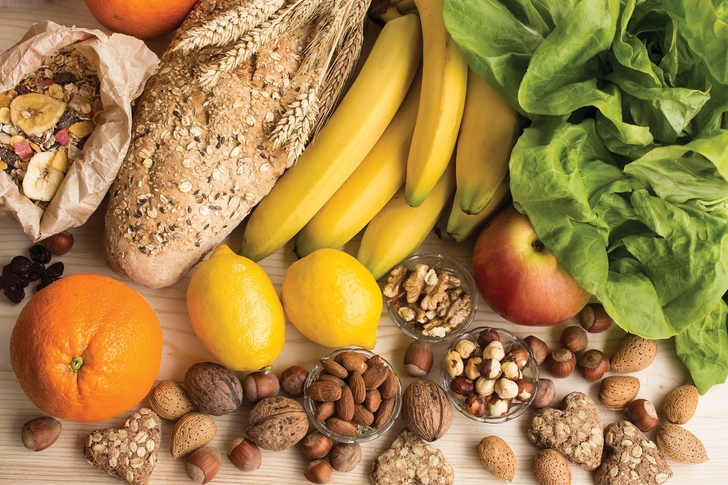
While this article focuses on foods to limit, balance is important. Diets rich in:
-
Fresh fruits and vegetables
-
Whole grains
-
Lean proteins
-
Healthy fats
are consistently linked to better blood pressure control.
Small Changes Make a Big Difference
Managing blood pressure doesn’t require perfection. Even reducing sodium gradually, cooking more meals at home, and reading food labels can significantly support heart health.
Awareness is the first step toward healthier choices.
Final Thoughts
High blood pressure is influenced by daily habits, and food plays a major role. Many of the worst foods for hypertension are common, convenient, and heavily marketed—but that doesn’t mean they should be daily staples.
By limiting processed, salty, sugary, and fried foods, and focusing on whole, balanced meals, you give your heart and blood vessels the support they need. Small, consistent choices can lead to meaningful long-term benefits.