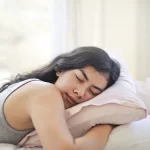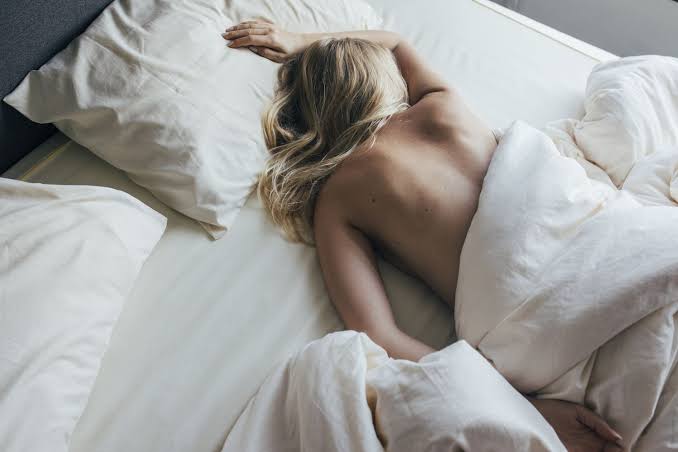
Getting enough quality sleep is one of the most important things you can do for your overall health. During sleep, your body repairs tissues, strengthens the immune system, processes memories, regulates hormones, and prepares you for the next day. While most people focus on bedtime routines, limiting screen time, or choosing the right mattress, one simple factor is often overlooked: what you wear to bed.
Some people prefer cozy pajamas, while others find sleeping without clothes more comfortable. There is no single approach that works for everyone, but scientific research suggests that sleeping without clothes may offer certain benefits for some people, particularly when it helps maintain a comfortable body temperature throughout the night.
It’s important to remember that sleeping without clothes isn’t a medical treatment or a requirement for good health. Personal comfort, room temperature, and individual preferences all play important roles. However, understanding the potential benefits may help you decide what works best for you.
It May Help Regulate Body Temperature
Your body naturally lowers its core temperature as part of the process of falling asleep. This drop signals your brain that it’s time to rest. If your body becomes too warm during the night, it may be more difficult to fall asleep or remain asleep.
Sleeping without clothes may help some people stay cooler, particularly in warmer climates or during the summer months. Maintaining a comfortable sleep temperature may support more restful sleep and reduce nighttime awakenings.
Experts generally recommend keeping the bedroom cool and comfortable to promote better sleep quality, regardless of what you choose to wear.
It May Support Better Sleep Quality
Good sleep isn’t measured only by the number of hours spent in bed. Sleep quality matters just as much. Waking up frequently because you’re too hot or uncomfortable can interrupt your natural sleep cycles.
For some individuals, sleeping without clothes reduces overheating, allowing the body to move more easily through the different stages of sleep. Better sleep quality may contribute to improved concentration, mood, and energy during the day.
If sleeping without clothes helps you remain comfortable throughout the night, it may become one simple way to improve your overall sleep experience.
It May Help Reduce Night Sweats
Night sweats can occur for many reasons, including warm room temperatures, heavy blankets, hormonal changes, certain medications, or medical conditions. While persistent or severe night sweats should be discussed with a healthcare professional, creating a cooler sleep environment may help reduce mild overheating during the night.
Sleeping without clothes may improve airflow around the body and help some people remain more comfortable if they tend to become too warm while sleeping.
Choosing breathable bedding and maintaining a cool bedroom can provide additional benefits.
It May Support Skin Comfort
Your skin is your body’s largest organ, and allowing it to remain cool and dry during sleep may improve comfort for some people. Wearing tight or heavy sleepwear can sometimes trap heat and moisture, particularly during warm weather.
Sleeping without restrictive clothing may allow better airflow, helping some individuals feel fresher and more comfortable throughout the night.
Good hygiene, clean bedding, and breathable mattresses remain just as important for maintaining healthy skin.
It May Encourage a Comfortable Sleep Environment
Many sleep specialists emphasize creating an environment that supports uninterrupted rest. Comfortable bedding, reduced noise, limited light, and an appropriate room temperature all contribute to better sleep.
For some people, sleeping without clothes simply becomes another way to create a more comfortable sleeping environment. Feeling physically comfortable often makes it easier to relax before falling asleep.
Everyone’s comfort preferences are different, so the best choice is the one that helps you sleep well consistently.
It May Reduce Overheating During Warm Weather
During hotter months, maintaining a comfortable sleeping temperature becomes more challenging. Air conditioning, fans, breathable sheets, and lightweight bedding all help, but reducing extra layers may also improve comfort.
Sleeping without clothes may help your body release heat more efficiently, allowing you to feel cooler throughout the night.
People who naturally sleep warm often notice the greatest difference when reducing unnecessary layers.
It May Help You Fall Asleep More Comfortably
Feeling physically comfortable often makes it easier to relax before bedtime. If clothing feels restrictive, bunches up during movement, or causes overheating, it may become another distraction that delays sleep.
Sleeping without clothes removes one potential source of discomfort for some individuals, making it easier to settle into a comfortable sleeping position.
Of course, this benefit depends entirely on personal preference. Many people sleep equally well while wearing comfortable, breathable sleepwear.
It May Complement Healthy Sleep Habits
Good sleep depends on many factors working together. Sleeping without clothes alone will not solve chronic sleep problems, but it may complement other healthy habits such as maintaining a regular bedtime, limiting caffeine late in the day, reducing evening screen time, and keeping the bedroom dark and quiet.
When combined with a consistent sleep routine, small improvements in comfort may contribute to better overall sleep quality.
Better Sleep Benefits Overall Health
One of the biggest advantages of improving sleep quality is the wide range of health benefits associated with sufficient rest. Quality sleep supports memory, learning, emotional well-being, immune function, and physical recovery.
Research has also linked healthy sleep habits with improved mood, better concentration, healthier metabolism, and greater daytime energy. Anything that helps you consistently sleep well—whether that’s adjusting room temperature, changing bedding, or choosing different sleepwear—may indirectly support these broader health benefits.
Personal Comfort Still Matters Most
Scientific studies show that people sleep best when they are physically comfortable. While sleeping without clothes may work well for some individuals, others simply feel more relaxed wearing lightweight cotton pajamas or breathable sleepwear.
The goal isn’t following one universal rule but finding a bedtime routine that helps you fall asleep easily and stay asleep throughout the night.
If you choose to sleep without clothes, ensure your bedroom remains comfortable, your bedding is clean, and the temperature is appropriate for restful sleep.
When Sleeping Without Clothes May Not Be Practical
Sleeping without clothes isn’t ideal for everyone. People living in colder climates may prefer lightweight sleepwear to stay warm. Others may share living spaces where additional clothing feels more comfortable or practical.
The best sleep environment is the one that balances comfort, safety, and personal preference. There is no evidence that everyone must sleep without clothes to experience healthy sleep.
Other Ways to Improve Sleep Naturally
Whether or not you sleep without clothes, many science-backed habits can improve sleep quality. Keeping a regular bedtime schedule, avoiding heavy meals right before bed, limiting caffeine in the evening, exercising regularly, and reducing screen exposure before bedtime all contribute to healthier sleep.
Choosing breathable bedding, maintaining a cool bedroom temperature, and creating a relaxing bedtime routine may have an even greater impact than changing sleepwear alone.
Final Thoughts
Sleeping without clothes may provide benefits for some people, particularly if it helps maintain a comfortable body temperature and supports uninterrupted sleep. Better temperature regulation, reduced overheating, improved comfort, and enhanced sleep quality are among the potential advantages supported by sleep research.
However, there is no single “correct” way to sleep. The healthiest choice is the one that allows you to rest comfortably, wake up feeling refreshed, and maintain consistent sleep habits over time. Whether you prefer lightweight pajamas or sleeping without clothes, combining your preference with other healthy sleep practices is likely to have the greatest positive effect on your overall well-being.