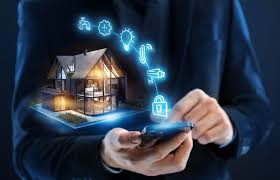
Imagine waking up in the morning and your home already knows what you need—your lights slowly brighten to mimic the sunrise, your coffee starts brewing, and the thermostat adjusts to the perfect temperature. This isn’t science fiction anymore—it’s the reality of smart home technology. In the U.S., smart homes are quickly becoming a trend, reshaping how families live, save energy, and stay secure.
1. Voice-Activated Assistants
Devices like Amazon Alexa, Google Home, and Apple’s Siri have become household staples. They can control lights, play music, order groceries, and even lock doors—all with simple voice commands. These assistants are learning to integrate with more devices, making homes more interactive and convenient.
2. Energy Efficiency and Savings
Smart thermostats like Nest or Ecobee adjust heating and cooling based on your habits, helping reduce energy bills. Smart lighting systems automatically dim or switch off when not needed. These small changes add up to significant savings and support eco-friendly living.
3. Advanced Home Security
Homeowners are increasingly relying on smart security cameras, motion sensors, and smart doorbells like Ring. These systems allow people to monitor their homes from anywhere, providing peace of mind and reducing crime risks.
4. Health and Wellness Monitoring
Smart homes are also improving health. Air quality monitors, smart beds that track sleep, and kitchen gadgets that help with nutrition planning all contribute to better well-being. For elderly residents, fall detection and emergency alerts add an extra layer of safety.
5. Seamless Entertainment
Smart TVs and integrated sound systems allow families to stream movies, listen to music, or play games effortlessly. Some homes even connect multiple rooms for synchronized entertainment experiences.
6. Remote Access and Control
One of the biggest benefits of smart homes is control from anywhere. Whether you’re at work or on vacation, you can check cameras, turn off appliances, or adjust the thermostat with your smartphone.
7. The Future: Fully Automated Living
The future of smart homes includes AI-driven personalization. Homes will learn your preferences over time—when you want dinner cooked, the perfect lighting for movie night, or even when to order groceries. These advancements are turning houses into living, adaptive companions.
Conclusion
Smart home technology is no longer a luxury—it’s quickly becoming a standard. From convenience and savings to safety and health benefits, smart homes are transforming the way Americans live. As technology continues to advance, our homes will become not just places to live but intelligent partners in our daily lives.