
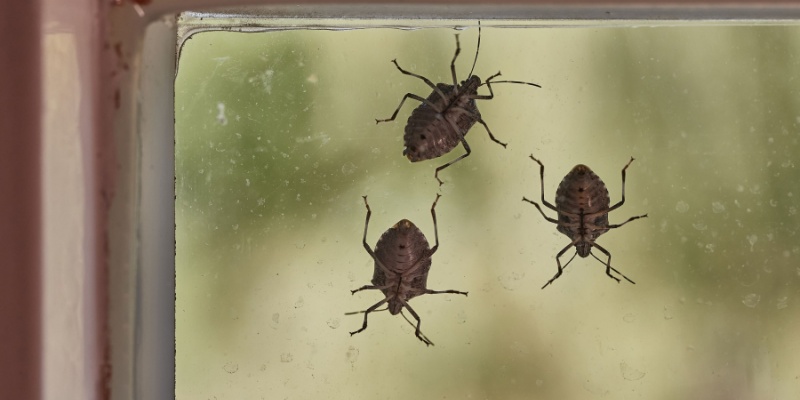
Finding an unfamiliar bug inside or around your home can be unsettling, especially when it looks unusual or appears in places where you don’t normally see insects.
In most cases, discovering a single insect does not mean that your home has a dangerous infestation or that you are at immediate risk. Many insects are simply looking for food, shelter, moisture, or a way to escape changing outdoor conditions.
However, some household pests can damage property, contaminate food, trigger allergies, or occasionally bite or sting. Learning how to identify what you’ve found can help you decide whether it is something you can safely monitor or whether professional pest control may be appropriate.
Don’t Panic When You See an Unfamiliar Bug
The first step is to avoid touching an unfamiliar insect with your bare hands.
Instead, observe it from a safe distance. If possible, take a clear photograph showing its body, legs, wings, and markings.
Identification is much easier when you can see the insect’s physical characteristics.
A single bug may have entered through a window, door, crack, or ventilation opening. It doesn’t necessarily mean that dozens more are hiding nearby.
Why Bugs Enter Homes
Insects and other small pests enter buildings for several common reasons.
Food is one major attraction.
Crumbs, uncovered food, pet food, garbage, and food residue can attract ants, cockroaches, flies, and other insects.
Moisture is another important factor. Leaking pipes, damp bathrooms, standing water, and humid areas can create favorable conditions for certain pests.
Some insects also enter homes seeking warmth, shelter, or protection from extreme outdoor temperatures.
Understanding what attracts a particular pest is often more useful than simply trying to kill the insect you see.
Common Bugs You May Find Indoors
Homes can occasionally contain ants, cockroaches, flies, mosquitoes, spiders, beetles, silverfish, earwigs, and other insects.
Many are harmless to people.
Others can become a nuisance when their numbers increase.
For example, finding one ant near a window is very different from discovering a long trail of ants leading to a food source.
Likewise, seeing an occasional spider does not necessarily indicate a serious infestation.
The number of insects, their location, and whether you repeatedly find them are important clues.
Cockroaches Deserve Attention
Cockroaches can contaminate food and may contribute to indoor allergens.
If you repeatedly see cockroaches, especially at night, there may be a larger population nearby.
Look for additional signs such as droppings, egg cases, shed skins, or an unusual musty odor.
Keep food sealed, clean crumbs and spills, remove garbage regularly, and repair water leaks.
If the problem continues, professional pest management may be necessary.
Bed Bugs Are Different
Bed bugs are small insects that feed on blood and can be difficult to eliminate.
They are often associated with sleeping areas and upholstered furniture.
Possible signs include small insects, shed skins, dark spots on bedding, or unexplained itchy marks.
However, skin marks alone cannot reliably identify bed bugs because many other conditions can produce similar-looking bites or irritation.
If you suspect bed bugs, inspect sleeping areas carefully and consider professional identification.
Avoid spreading potentially infested items to other rooms because this can make the problem harder to control.
Spiders May Be Helpful
Although many people dislike finding spiders indoors, spiders can prey on other insects.
Most spiders found around homes are not medically significant to humans.
Their presence can sometimes indicate that other insects are available as a food source.
Keeping windows and doors properly screened and reducing clutter can help limit unwanted spider activity.
If you encounter a spider that you believe could be medically significant, avoid handling it and seek professional identification.
Mosquitoes Can Carry Disease
Mosquitoes are more than a nuisance because some species can transmit infectious diseases.
Their presence around a home is often associated with standing water.
Check flowerpots, buckets, gutters, outdoor containers, and other locations where water can collect.
Emptying or covering water-holding containers can reduce mosquito breeding opportunities.
Using screens and appropriate insect repellents can provide additional protection.
If you develop symptoms after traveling to an area where mosquito-borne diseases are common, speak with a healthcare professional and mention your travel history.
Ticks Require Careful Removal
Ticks are not insects; they are arachnids related to spiders.
They can transmit several diseases, depending on the species and geographic location.
If you find a tick attached to your skin, careful removal is important.
Use fine-tipped tweezers to grasp the tick as close to the skin’s surface as possible and pull upward with steady pressure.
After removal, clean the bite area and your hands.
Do not crush the tick against your skin or use substances such as petroleum jelly, heat, or chemicals to force it out.
If you develop a rash, fever, unusual fatigue, muscle aches, or other symptoms after a tick bite, contact a healthcare professional.
What About Stinging Insects?
Bees, wasps, and hornets can become a concern when nests are located close to frequently used areas.
Don’t disturb an active nest unnecessarily.
People with known severe insect-sting allergies should follow their prescribed emergency plan if they are stung.
Difficulty breathing, swelling of the throat or tongue, dizziness, fainting, or widespread symptoms after a sting can indicate a severe allergic reaction requiring emergency medical attention.
Some Insects Can Cause Skin Irritation
Certain insects or their hairs, fluids, or defensive chemicals can irritate the skin.
This is another reason not to pick up unfamiliar bugs with your bare hands.
If you accidentally come into contact with an insect and develop significant irritation, wash the affected area with soap and water.
Seek medical attention if symptoms are severe, spreading, or accompanied by breathing difficulty or other concerning signs.
Don’t Rely on Internet Pictures Alone
Online identification can be useful, but insects can be difficult to distinguish from photographs.
Two species may look almost identical while having very different behaviors or levels of concern.
If you believe the insect could be dangerous or you are dealing with a significant infestation, consider contacting a local pest-control professional, extension service, or other qualified identification resource.
Accurate identification helps determine the appropriate response.
Keep Your Home Less Attractive to Pests
One of the best ways to reduce household pests is to remove the conditions that attract them.
Store food in sealed containers.
Clean crumbs and spills promptly.
Keep garbage covered.
Repair leaking pipes and faucets.
Reduce unnecessary moisture.
Keep window screens in good condition.
Seal cracks around doors, windows, pipes, and other possible entry points.
Regular cleaning and maintenance can prevent many pest problems before they become significant.
Don’t Use Excessive Pesticides
Seeing one bug doesn’t necessarily justify spraying an entire room with insecticide.
Overusing pesticides can expose household members and pets to unnecessary chemicals.
If you use a pest-control product, read and follow its label directions carefully.
Never mix different chemical products unless the label specifically allows it.
Keep pesticides away from food, children, and pets.
For larger infestations, professional pest management may provide a safer and more targeted solution.
Be Especially Careful With Children and Pets
Children and pets are naturally curious and may try to touch or eat unfamiliar insects.
Keep them away from insects you cannot identify.
Also be cautious with homemade pest remedies and concentrated essential oils. Natural products can still cause irritation or poisoning if they are used incorrectly.
If you believe a child or pet has swallowed an unknown insect or pest-control product, contact an appropriate medical or veterinary professional for advice.
When Should You Call Pest Control?
Professional help may be appropriate when you repeatedly see the same pest, discover a nest, find evidence of an infestation, or notice property damage.
Repeated sightings can indicate that the conditions inside your home are supporting a population rather than simply allowing an occasional visitor.
A professional can help identify the pest and determine where it is entering or breeding.
This can be more effective than repeatedly treating the insects you happen to see.
When Does a Bug Require Medical Attention?
Most insects you encounter around the home do not require a trip to the doctor.
However, medical attention may be appropriate after a bite or sting if you develop severe swelling, difficulty breathing, dizziness, fainting, widespread hives, or other signs of a serious allergic reaction.
You should also seek medical advice if you develop concerning symptoms after a tick bite or after suspected exposure to an insect capable of transmitting disease.
The insect itself may not be dangerous, but your reaction to it can sometimes require treatment.
A Single Bug Doesn’t Always Mean an Infestation
One of the biggest mistakes homeowners make is assuming that every insect sighting means there is a hidden colony.
Sometimes a bug simply gets inside accidentally.
Weather changes can also cause insects to become more noticeable.
The situation becomes more concerning when sightings are frequent, numbers are increasing, or you find evidence such as nests, eggs, droppings, or property damage.
Pay attention to patterns rather than reacting to one isolated sighting.
Final Thoughts
Finding an unfamiliar bug around your home can be surprising, but there’s usually no reason to panic.
The most useful first step is identification.
Take a photograph if you can do so safely, avoid touching unfamiliar insects, and observe where and how often you find them.
Simple prevention measures such as sealing entry points, keeping food covered, reducing moisture, cleaning regularly, and removing standing water can help make your home less attractive to many common pests.
Some insects, including mosquitoes, ticks, and stinging insects, can pose specific health concerns, while others are generally harmless or may even help control other pests.
If you develop severe symptoms after a bite or sting, seek appropriate medical care. If you repeatedly find pests or signs of an infestation, consider professional pest control.
Most importantly, don’t let a dramatic-looking insect photograph convince you that every unusual bug is dangerous. Accurate identification and sensible precautions are much more useful than fear.

