
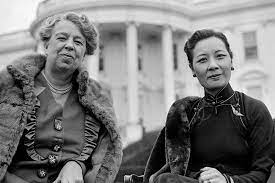
1) Early Life Foundations: Cultural Roots That Shaped Her Health Outlook
Soong Mei-Ling, more famously known as Madame Chiang Kai-shek, was born into one of the most prominent families of early modern China. Growing up in an environment deeply influenced by both Chinese traditions and Western education, her early life provided her with unique foundations for health and longevity. In traditional Chinese culture, food and health were seen as inseparable, with diet and lifestyle choices directly tied to wellness. From a young age, she was exposed to principles of balance — eating seasonally, incorporating natural herbs, and respecting the role of moderation in daily living.
From a nutritional perspective, her early exposure to Chinese dietary traditions meant meals centered on vegetables, whole grains, soy products, fish, and teas rich in antioxidants. Scientific research today affirms that such a diet is associated with reduced risk of chronic illnesses, including cardiovascular disease and cancer. Antioxidant-rich foods, especially those common in Chinese cuisine such as green tea, bok choy, and mushrooms, are now widely recognized for their role in combating oxidative stress and inflammation. These factors are directly tied to aging and the development of many diseases.
Her family also valued education and discipline, which extended into health practices. A structured lifestyle with consistent mealtimes, proper rest, and attention to hygiene laid a strong foundation for longevity. Researchers today consistently note that early habits often carry into later life, shaping resilience and influencing disease risk. Children who grow up in structured, health-conscious households are more likely to maintain beneficial practices throughout adulthood.
This balance of East and West gave Soong Mei-Ling not only exposure to the rich nutritional traditions of China but also access to Western ideas of medical science and health. Later in life, her ability to blend these influences — traditional dietary wisdom with modern scientific awareness — became a hallmark of her resilience.
2) Education Abroad: Integrating Western Perspectives Into Lifestyle
As part of her family’s emphasis on education, Soong Mei-Ling studied abroad in the United States, where she encountered Western philosophies of health, exercise, and nutrition. This international exposure broadened her understanding of wellness and gave her access to perspectives not common among women of her time. Attending Wellesley College in Massachusetts, she was introduced to structured physical education, academic discussions about biology and medicine, and the importance of balancing intellect with physical well-being.
This experience reflects an early integration of what we now call a holistic health approach. Today, studies consistently show that individuals who balance cultural dietary practices with scientific medical advances often experience superior health outcomes. For example, while Western science emphasized vitamins, caloric intake, and structured exercise, Chinese traditions focused on balance, herbal supplementation, and mindful eating. Mei-Ling lived at the intersection of these two worlds.
Scientific reasoning further underscores the importance of such a cross-cultural approach. Access to Western knowledge meant awareness of hygiene, vaccines, and the role of clinical medicine in preventing and managing diseases. Meanwhile, retaining Chinese dietary and lifestyle traditions allowed her to benefit from a diet naturally rich in phytonutrients and low in heavily processed foods.
Lifestyle applications of this lesson are powerful: in today’s globalized world, individuals can benefit by integrating the best of both worlds. Combining whole, traditional foods with modern preventive healthcare — such as regular screenings, vaccinations, and medical checkups — provides a path toward optimal longevity. Soong Mei-Ling’s life demonstrates that education and cross-cultural openness can directly impact health outcomes, contributing to resilience even in the face of serious illness later in life.
3) Discipline, Routine, and the Role of Structure in Longevity
Soong Mei-Ling’s public life required extraordinary discipline. As the wife of Chiang Kai-shek and an active political figure, she balanced rigorous duties, diplomatic appearances, and stressful international negotiations. Yet, she maintained routines that allowed her to manage the demands placed upon her.
From a health standpoint, discipline and routine are often underestimated but deeply tied to longevity. Studies on circadian biology emphasize that consistent sleeping, eating, and activity schedules optimize metabolic function, hormonal balance, and immune health. For example, irregular sleep has been linked to higher risks of cardiovascular disease, obesity, and weakened immunity. Soong Mei-Ling’s strict schedule — meals at set times, regular rest, and a balance of work with recuperation — mirrored practices now encouraged by modern science.
Nutritional consistency also played a role. Instead of erratic diets or indulgences, her meals were balanced and thoughtful, often rooted in vegetables, lean proteins, and teas. Today, nutritionists highlight that consistency in food quality and timing reduces fluctuations in blood sugar, supports liver function, and helps maintain a healthy weight — all crucial for cancer prevention and long-term wellness.
In lifestyle applications, modern readers can learn from this example: creating a personal routine with time for rest, physical activity, balanced meals, and self-reflection is not restrictive but rather freeing. It provides stability in a world of constant stress. Soong Mei-Ling’s longevity serves as a case study in how discipline and structure, when applied with balance, can sustain health over the course of a century.
4) The Role of Stress Management and Emotional Resilience
Living through wars, political upheavals, and life in the global spotlight meant that Soong Mei-Ling experienced chronic stress at levels most people never face. Yet, she demonstrated remarkable resilience and emotional stability, which likely contributed to her health and longevity.
Modern scientific research consistently shows the impact of stress on health: chronic stress raises cortisol levels, suppresses immune function, accelerates aging, and increases vulnerability to cancer and cardiovascular disease. However, resilience and coping strategies — whether through meditation, prayer, supportive relationships, or purposeful work — buffer these effects.
Soong Mei-Ling, a devout Christian, found solace in prayer and faith. This spiritual foundation provided her with a sense of purpose and strength amid challenges. Psychological studies now confirm that individuals with strong social support systems, spiritual practices, or belief frameworks often recover from stress faster and live longer lives. Resilience is not about the absence of stress but the ability to rebound from it.
Lifestyle applications for modern readers are profound: cultivating resilience through mindfulness, faith, or strong community ties is as critical as nutrition or exercise. Stress is inevitable, but how we manage it defines its impact on health. Soong Mei-Ling’s life illustrates the power of resilience in promoting not only longevity but also dignity in the face of struggle.
5) Diet and Nutritional Wisdom: Balancing East and West for Longevity
Throughout her long life, Soong Mei-Ling demonstrated a preference for balanced, health-conscious eating. Rooted in traditional Chinese dietary wisdom, she consumed meals rich in vegetables, lean proteins like fish and soy, and teas high in polyphenols. These foods are now recognized by nutritional science as powerful allies in preventing chronic disease and supporting longevity.
For example, green tea, a staple in Chinese culture, is packed with catechins — compounds proven to reduce oxidative stress, support liver health, and even lower cancer risk. Similarly, soy-based foods like tofu provide plant proteins and isoflavones, which have been studied for their protective roles against hormone-related cancers. Combined with fiber-rich vegetables and limited processed foods, such a diet creates a foundation for metabolic and immune stability.
Her exposure to Western nutrition further expanded her approach. She had access to fresh fruits, dairy, and vitamins, ensuring her diet contained a wide range of essential nutrients. Scientific reasoning shows that this diversity in nutrition — antioxidants, healthy fats, plant proteins, and micronutrients — contributes to both cellular repair and disease prevention.
Lifestyle application: modern readers can take inspiration by adopting a hybrid diet that embraces cultural traditions while incorporating modern nutritional science. A plate filled with colorful vegetables, lean proteins, whole grains, and antioxidant-rich beverages like green tea mirrors the balance that supported Soong Mei-Ling’s remarkable health span.
6) Physical Activity: Movement as a Lifelong Companion
While often remembered for her political presence and eloquence, Soong Mei-Ling also valued physical activity as part of her daily life. She was known to walk regularly, practice gentle exercise, and maintain mobility even into advanced age. This commitment to movement was not about athletic competition but about sustaining energy, flexibility, and balance.
Modern science fully supports the importance of daily movement. Regular physical activity stimulates circulation, supports cardiovascular health, improves insulin sensitivity, and helps regulate cholesterol levels. It also plays a role in preserving muscle mass, which is essential for preventing frailty in older adults. Even low-impact activities such as walking, stretching, or practicing Tai Chi — deeply rooted in Chinese tradition — have been proven to reduce the risk of chronic disease and enhance mental health.
Additionally, exercise supports the body’s natural detoxification systems, particularly the liver, which processes toxins and hormones. This is particularly relevant to discussions of cancer risk and overall longevity. Consistent activity also stimulates the release of endorphins, helping regulate mood and reduce stress — factors directly tied to immune system strength.
The lifestyle application is clear: longevity is not only built on extraordinary measures but on consistent, moderate activity. Like Soong Mei-Ling, modern readers can incorporate daily walking, yoga, or other gentle forms of movement into their routines. Her example demonstrates that health is not about intensity but about sustainability and discipline.
7) The Power of Rest: Sleep and Recovery in Longevity
Soong Mei-Ling understood the importance of balance, not only through diet and activity but also through rest. Despite the intensity of her political and diplomatic life, she made time for sleep and recovery. Her longevity serves as evidence of the body’s ability to heal and regenerate when given proper rest.
Scientific research today highlights the critical role of sleep in health. During sleep, the brain clears toxins, the body repairs tissues, and hormones regulate themselves. Chronic sleep deprivation, on the other hand, has been linked to weakened immunity, cardiovascular problems, cognitive decline, and even increased cancer risk.
From a cultural perspective, both Chinese and Western traditions recognize the healing power of rest. In Chinese medicine, rest is tied to the balance of yin and yang, emphasizing harmony in daily cycles. Western sleep science confirms that circadian rhythm — the body’s internal clock — is essential for regulating metabolism, immune responses, and mood.
Soong Mei-Ling’s disciplined rest habits reflected this wisdom. She was careful to preserve energy for the long haul, balancing her demanding schedule with restorative downtime. This practice is vital for anyone seeking longevity today. Modern readers can learn from her by creating consistent sleep routines, minimizing screen use before bed, and prioritizing 7–8 hours of nightly rest.
8) Immunity and Preventive Practices: Staying Ahead of Illness
Living into her 100s required more than resilience — it also demanded a strong immune system. Soong Mei-Ling’s life illustrates the value of preventive health practices, which included balanced nutrition, exercise, stress management, and hygiene.
In her era, infectious diseases were a significant threat. However, her access to both traditional remedies and modern medicine allowed her to safeguard her health. For example, traditional Chinese herbs such as astragalus and ginseng were often used to strengthen immunity. Meanwhile, Western medical practices like vaccinations and preventive checkups provided additional protection.
Modern science confirms that immune health is central to longevity. Strong immunity reduces vulnerability to infections, slows the progression of chronic diseases, and increases the body’s ability to detect and destroy abnormal cells. This last function is particularly important in relation to cancer, where the immune system’s surveillance can help identify and eliminate potentially harmful cell growths.
Lifestyle application: readers today can strengthen immunity through diet (antioxidant-rich foods, probiotics, and lean proteins), regular activity, good sleep, and stress management. Preventive healthcare — including vaccinations, screenings, and medical consultations — should also be prioritized. Soong Mei-Ling’s health journey highlights that proactive care is just as important as treatment.
9) Emotional Health and the Role of Relationships
Soong Mei-Ling’s long life was not spent in isolation. Despite challenges, she cultivated relationships with family, political allies, and international figures. These connections supported her emotional well-being and gave her a sense of purpose.
Scientific studies consistently show that emotional health and strong social ties are critical for longevity. Social isolation, by contrast, has been linked to increased risks of heart disease, depression, and cognitive decline. Positive relationships reduce stress, improve immune function, and encourage healthier lifestyle habits.
From a cultural perspective, her role as a public figure also gave her meaning and a sense of contribution. Purpose-driven living is increasingly recognized by researchers as a factor in extending life expectancy. People who feel connected to meaningful work or relationships often live longer, healthier lives.
For modern readers, the lesson is timeless: invest in relationships and emotional health as much as in nutrition or exercise. Building community, maintaining friendships, and supporting loved ones foster resilience, reduce stress, and create joy — all of which contribute to health and longevity.
10) The Cancer Struggle: Strength Amidst Health Challenges
Although Soong Mei-Ling enjoyed remarkable longevity, she was not immune to health struggles. In her later years, she faced cancer, a disease that tests not only the body but also the spirit. Yet her approach to illness reflected the resilience and discipline that characterized her entire life.
Scientific reasoning helps frame this struggle. Cancer risk increases with age due to cumulative genetic mutations, oxidative stress, and cellular wear. However, lifestyle factors such as diet, exercise, stress management, and preventive care can influence both risk and outcomes. Soong Mei-Ling’s long battle against illness suggests that her healthy foundations gave her resilience, extending her lifespan and improving her quality of life even in the face of disease.
Nutritionally, her reliance on antioxidant-rich foods, green tea, soy, and fresh produce likely provided her body with tools to combat cellular stress. Lifestyle practices such as structured rest, emotional resilience, and preventive medical care may have slowed disease progression. From a modern perspective, her journey mirrors findings that individuals who combine medical treatment with supportive lifestyle practices often enjoy better outcomes.
The lesson for today is clear: illness does not define the entirety of one’s health legacy. By maintaining discipline, resilience, and positive habits, individuals can preserve quality of life and even extend longevity despite challenges. Soong Mei-Ling’s struggle is both a reminder of human vulnerability and a testament to the strength that healthy living provides.
11) Adaptability: Adjusting Health Practices Across Eras
Soong Mei-Ling lived across three centuries, experiencing tremendous changes in medicine, nutrition, and lifestyle trends. Her adaptability was one of the keys to her longevity. Unlike those who cling rigidly to one way of living, she incorporated new practices when evidence or circumstances demanded.
For example, she never abandoned her cultural foundation in Chinese dietary wisdom but also embraced Western medical checkups, vitamins, and modern diagnostics as they became available. She adjusted her activity routines as she aged, prioritizing gentler exercises without giving up movement altogether.
Modern science supports the importance of adaptability. Health needs evolve with age, environment, and personal condition. People who adjust their diet, activity, and preventive measures to fit new circumstances often live longer and healthier lives than those who do not. Her life illustrates the value of flexibility: health is not about perfection but about continuously refining habits.
12) Balance of Public Duty and Personal Care
Despite her extraordinary role as First Lady of the Republic of China, Soong Mei-Ling was conscious of the need to balance public service with personal health. She carried heavy responsibilities, yet she did not neglect nutrition, rest, and preventive practices.
Scientific studies today emphasize that work–life balance directly impacts health outcomes. Chronic overwork, without time for recovery, is associated with burnout, weakened immunity, and increased risk of chronic disease. Soong Mei-Ling’s life demonstrates that even high achievers must create boundaries for self-care.
Her example resonates strongly today, when many individuals live under high stress. Making time for nutrition, activity, and recovery—even amid responsibilities—is not selfish but essential. Modern readers can learn that longevity is not about sacrificing health for achievement but about balancing the two.
13) The Role of Faith and Spiritual Wellness
Faith played a central role in Soong Mei-Ling’s life. As a devout Christian, she found strength, purpose, and resilience in her beliefs. This spiritual foundation offered her comfort during times of war, exile, and illness.
Modern psychology and medical research affirm the connection between spiritual wellness and physical health. People with strong belief systems often experience reduced stress, greater emotional resilience, and stronger social connections. Studies have shown that prayer, meditation, and other spiritual practices can lower blood pressure, reduce anxiety, and promote immune strength.
For Soong Mei-Ling, spirituality provided stability in a turbulent life. For modern readers, the lesson is not tied to a specific belief system but to the universal importance of finding purpose, meaning, and peace. Spiritual wellness remains a powerful, science-supported contributor to longevity.
14) Nutritional Variety: The Value of Diversity in Diet
Throughout her long life, Soong Mei-Ling’s meals reflected diversity. She consumed a wide array of vegetables, fruits, fish, soy, teas, and occasionally Western foods such as dairy or fruit juices. This variety ensured a broad intake of vitamins, minerals, antioxidants, and proteins.
Nutrition science today emphasizes dietary diversity as a cornerstone of health. Different colors and types of foods provide unique phytonutrients that support immunity, detoxification, and cellular repair. For example, cruciferous vegetables help detoxify the liver, berries provide antioxidants, and soy supports hormone balance.
Her varied diet likely protected her against nutrient deficiencies and contributed to her longevity. Modern readers can learn to embrace variety: filling plates with different colors, experimenting with global cuisines, and prioritizing whole, minimally processed foods. Diversity in diet is diversity in protection.
15) Emotional Resilience During Exile and Political Upheaval
After her husband Chiang Kai-shek passed away, Soong Mei-Ling spent much of her later life in exile. Despite being far from her homeland, she continued to live with dignity and strength. Her emotional resilience in the face of displacement likely contributed to her longevity.
Scientific research connects emotional resilience with longer lifespans. Resilient individuals show lower levels of stress hormones, better immune response, and stronger cardiovascular health. For Soong Mei-Ling, resilience came from a mixture of discipline, faith, and a sense of purpose in carrying her legacy forward.
Modern readers can build resilience through practices such as journaling, community engagement, mindfulness, and reframing challenges as opportunities. Her example proves that resilience is not about avoiding hardship but facing it with grace and strength.
16) Preventive Medical Care: Embracing Modern Advances
Although rooted in traditional practices, Soong Mei-Ling also relied on modern medicine. Reports suggest she underwent regular medical evaluations and sought care from international specialists when necessary. This embrace of modern preventive medicine complemented her holistic lifestyle.
Scientific reasoning underscores the importance of preventive care. Early detection of diseases such as hypertension, diabetes, or cancer significantly improves outcomes. Routine screenings, vaccinations, and timely interventions reduce complications and extend life expectancy.
Her ability to combine modern diagnostics with traditional wisdom highlights a valuable lesson: longevity often comes from a willingness to embrace the best available science while staying true to cultural health practices.
17) Healthy Aging: Preserving Mobility and Independence
Soong Mei-Ling maintained mobility and independence well into her advanced years. Unlike many who struggle with frailty, she lived actively, reflecting her commitment to physical and mental upkeep.
Modern science emphasizes the importance of muscle strength, balance, and mobility in aging. Regular movement, protein intake, and mental stimulation help prevent falls, cognitive decline, and dependence. By protecting her body through consistent habits, she achieved not only a long life but a high-quality one.
Lifestyle application: readers should prioritize strength, flexibility, and balance exercises, alongside adequate nutrition, to ensure independence in later life. Longevity is not only about years lived but about living them with vitality.
18) Intellectual Engagement and Lifelong Learning
Soong Mei-Ling was known for her intelligence, eloquence, and love of learning. She remained mentally active throughout her life, engaging in reading, writing, and international correspondence. This mental stimulation helped preserve her sharpness well into her 100s.
Cognitive science now shows that intellectual engagement protects against dementia and cognitive decline. Lifelong learning strengthens neural connections, enhances memory, and improves overall brain resilience. Activities such as reading, language learning, and puzzles act as “exercise for the brain.”
Her life underscores that staying curious and engaged keeps the mind young. For modern readers, cultivating hobbies, learning new skills, and seeking knowledge can provide both joy and cognitive protection.
19) The Role of Environment in Longevity
Soong Mei-Ling’s environment, particularly in her later years, played a role in her health. Living in the U.S. provided her with access to advanced medical care, clean surroundings, and nutritious foods. Environmental factors such as air quality, safety, and access to healthcare are increasingly recognized as major contributors to health outcomes.
Scientific studies confirm that people living in clean, supportive environments tend to live longer. Reduced exposure to pollutants, safe housing, and access to fresh food create conditions for health to flourish.
For readers, the takeaway is to optimize personal environments where possible: choosing clean foods, ensuring proper ventilation, surrounding oneself with supportive communities, and minimizing exposure to harmful toxins.
20) Legacy of Longevity: Lessons for Modern Generations
Soong Mei-Ling’s life was not just long; it was meaningful. Her ability to combine discipline, resilience, nutrition, modern science, and cultural wisdom offers valuable lessons for today’s generations seeking to live healthier, longer lives.
Modern science confirms what her life embodied: that longevity is not the result of one factor but the harmonious integration of many. Balanced diet, daily movement, emotional resilience, intellectual engagement, preventive care, and purpose all interact to shape health outcomes.
Her struggle with cancer reminds us that illness is part of the human condition, but her longevity illustrates that strong foundations can sustain life far beyond expectations. Her story is both inspirational and instructional — a legacy that continues to guide conversations on health and wellness.
Conclusion: A Health Legacy That Transcends Time
Soong Mei-Ling’s life, spanning more than a century, was a living testimony to the power of discipline, cultural balance, resilience, and adaptability. From her roots in traditional Chinese practices to her embrace of modern medicine, she demonstrated that longevity is not luck but the result of consistent choices and inner strength.
For today’s readers, her legacy teaches practical lessons: nourish your body with variety, move daily, rest well, embrace preventive care, manage stress, build strong relationships, and find purpose in life. These elements together create not only the possibility of longer years but of richer, more vibrant ones.
Her battle against cancer underscores that health journeys are complex, yet her remarkable lifespan proves that foundational habits can build resilience even against formidable challenges. In this way, Soong Mei-Ling left not only a political and cultural legacy but also a legacy of health — one that continues to inspire and guide modern generations in their pursuit of wellness and longevity.


