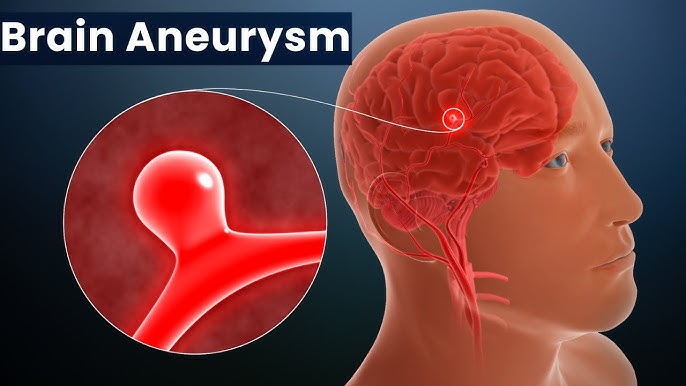
1) Sudden, severe “thunderclap” headache — “the worst headache of my life”
A lightning-fast, extremely intense headache that reaches maximal intensity within seconds or minutes — often described by patients as a “thunderclap” or “the worst headache of my life” — is the classic red flag for a ruptured intracranial aneurysm causing subarachnoid hemorrhage. Scientifically, when an aneurysm leaks or bursts it ejects blood into the subarachnoid space (the fluid compartment surrounding the brain). That blood acutely irritates the meninges (the pain-sensitive covering of the brain) and stretches pain receptors, producing an agonizing, instantaneous pain unlike ordinary migraines or tension headaches. Quick recognition matters because a ruptured aneurysm is a medical emergency: early imaging (CT scan, CT angiography) and prompt neurosurgical or endovascular care dramatically affect outcomes.
Nutritional and risk-reduction context: while diet won’t treat an acute rupture, long-term control of modifiable risk factors helps lower the chance of aneurysm formation or growth. High blood pressure is a major risk factor — dietary strategies that support healthy blood pressure include the DASH pattern (vegetables, fruit, whole grains, low-fat dairy, reduced sodium), adequate potassium and magnesium from foods (bananas, leafy greens, beans, nuts), and limiting excess alcohol and processed-food sodium. Smoking is another strong, modifiable risk factor; quitting smoking reduces aneurysm risk over time. These are preventive, long-term measures — they are not an alternative to emergency care.
What to do if this happens: call emergency services immediately. Do not drive yourself if you feel faint or disoriented; lie down if safe, avoid straining, and seek urgent medical evaluation. Time to treatment matters.
2) Nausea, vomiting, and sudden intolerance of light or sound (early systemic signs)
Nausea and vomiting frequently accompany the sudden severe headache of a ruptured aneurysm. These symptoms result from rapid increases in intracranial pressure and meningeal irritation, and they commonly appear within minutes to hours after bleeding begins. Photophobia (light sensitivity) and phonophobia (sound sensitivity) may also arise because the inflamed meninges and irritated pain pathways heighten sensory responses. From a physiologic perspective, irritation of meningeal nociceptors and involvement of nearby brainstem centers can trigger vomiting and autonomic responses. In the classic subarachnoid hemorrhage picture, patients often describe headache plus nausea/vomiting and marked light sensitivity. Nutritional and lifestyle context: when headaches and nausea are chronic rather than sudden and severe, some dietary strategies (regular meals, avoiding strong triggers like excessive caffeine or alcohol, staying hydrated, and stabilizing blood sugar with regular balanced meals) can reduce recurring headaches or migraines. However, the sudden combination of a thunderclap headache with vomiting or pronounced photophobia should be treated as an urgent warning sign, not as a routine headache. If you have frequent headaches, talk with your clinician about monitoring and risk-factor control (blood pressure, smoking cessation, healthy weight).
What to do if this happens: any sudden headache paired with persistent vomiting or new light sensitivity — especially when it’s different from your usual headaches — requires immediate medical assessment. Seek emergency care.
3) Neck stiffness or severe neck/back pain with meningeal signs
Neck stiffness — difficulty or pain when flexing the neck forward — is a common physical finding in subarachnoid hemorrhage. The mechanism is meningeal irritation from blood in the cerebrospinal fluid surrounding the brain and spinal cord; that irritation tightens the muscles and spinal coverings, producing stiffness and pain that can extend into the upper back. On exam, clinicians may note neck rigidity or positive meningeal signs (e.g., pain when bending the neck), which hint at blood irritating the meninges rather than a simple muscular strain. This is why sudden severe headache combined with neck stiffness raises alarm for possible aneurysmal bleeding.
Nutritional and lifestyle context: chronic neck pain related to posture, muscle imbalance, or dehydration responds to ergonomic improvements, regular stretching, hydration, and balanced electrolytes. But sudden meningeal neck stiffness is different — it reflects central nervous system irritation and warrants immediate evaluation. For long-term vascular health, continue blood-pressure-friendly eating patterns and avoid substances (heavy alcohol use, smoking) that stress blood vessels. If you’re on anticoagulant therapy, be aware that trauma or bleeding risk can be higher; always consult your healthcare team about symptoms.
What to do if this happens: sudden neck stiffness with severe headache — go to emergency care right away. Do not assume it is simple neck strain.
4) Visual changes, drooping eyelid, dilated pupil or pain behind/above one eye
An unruptured aneurysm located near cranial nerves can press on those nerves and produce focal eye signs before any bleeding occurs. Clinically, this may show up as double or blurred vision, drooping of one eyelid (ptosis), a dilated (unequal) pupil, or localized pain above/behind one eye. The scientific reasoning is straightforward: aneurysms that grow near the cavernous sinus or posterior communicating artery may compress cranial nerve III (oculomotor) or neighboring structures, producing ophthalmologic symptoms. Importantly, these focal signs can occur without a rupture and should prompt timely neurologic imaging (MR angiography, CT angiography) to evaluate for an aneurysm or other compressive lesion.
Nutritional and lifestyle context: vision changes from nerve compression are mechanical and require medical imaging rather than dietary correction. That said, overall vascular-protective nutrition (reducing high-glycemic foods, controlling cholesterol, maintaining healthy weight) supports general neurovascular health. If you have diabetes, careful blood sugar control also reduces the risk of microvascular complications that can harm vision. Always report any new visual change to a clinician promptly.
What to do if this happens: new, unexplained visual changes or eyelid droop should prompt urgent medical evaluation — contact your healthcare provider or emergency services depending on severity and whether other acute symptoms (severe headache, weakness) are present.
5) Sudden fainting, loss of consciousness or rapid decline in alertness
A rupture that causes a significant bleed into the subarachnoid space can abruptly increase intracranial pressure or trigger vasospasm and decreased cerebral perfusion, producing transient loss of consciousness, fainting, or a rapid decline in responsiveness. From a practical standpoint, someone who collapses or becomes significantly less responsive after a sudden severe headache (or for no clear reason) requires immediate emergency assessment because these are signs of serious brain compromise. Emergency imaging and stabilization are crucial to determine whether a hemorrhage, large aneurysm, or other catastrophic event has occurred.
Nutritional and lifestyle context: chronic fatigue or fainting from non-neurologic causes can relate to dehydration, low blood sugar, or cardiac rhythm problems — each of which should be medically evaluated. In general, maintaining good hydration, balanced meals, and cardiovascular fitness supports resilience; but acute collapse accompanied by headache or neurological change is a medical emergency. If you have cardiac conditions or are on medications that influence blood pressure or blood clotting, follow your clinician’s guidance closely.
What to do if this happens: call emergency services immediately. If the person is unresponsive, follow local first-aid protocols (check airway, breathing, circulation) and get professional help right away.
6) New onset seizure (convulsion) or sudden limb weakness / numbness
Seizures may occur when bleeding or expanding mass effect irritates the cerebral cortex. Similarly, a focal bleed or mass effect from an enlarging aneurysm may compress motor or sensory pathways, causing sudden weakness or numbness in one arm, leg, or face (hemiparesis or hemisensory loss). Clinically, the sudden appearance of a seizure in an adult without prior epilepsy — or abrupt one-sided weakness or numbness — is an urgent neurologic sign that requires immediate imaging and evaluation to rule out hemorrhage, aneurysm, stroke, or other space-occupying lesions. Rapid diagnosis guides treatment decisions that can be life-saving.
Nutritional and lifestyle context: for long-term brain health and seizure reduction, avoid alcohol excess, maintain stable blood glucose (especially in people with diabetes), and manage sleep and stress. Certain nutrients — adequate magnesium and maintaining regular meals — can help neural stability in some people, but these are supportive strategies, not acute treatments. If you are on antiepileptic medications or blood thinners, never change or stop them without clinician guidance.
What to do if this happens: new seizures or sudden focal weakness require immediate medical attention. Call emergency services or go to the nearest emergency department without delay.
7) Ringing in the ears, hearing changes, or vertigo with imbalance
Though less widely known, some unruptured aneurysms located near arteries supplying the inner ear or brainstem can produce tinnitus (ringing in the ears), altered hearing, or sudden episodes of dizziness/imbalance. This happens when vascular pulsations or pressure irritate nearby auditory or vestibular pathways. In cases of aneurysm growth near the posterior circulation, these symptoms may precede more dramatic neurologic events. Distinguishing features include sudden onset, unilateral changes (affecting one side), or association with headache and neurological symptoms.
Scientific reasoning: abnormal blood flow dynamics and vessel dilatation can create turbulence or pressure on nerves that handle hearing and balance. Unlike benign ear conditions (wax buildup, middle-ear infections), vascular compression is dangerous and requires advanced imaging.
Nutritional and lifestyle context: in everyday health, reducing salt intake may help inner-ear pressure in Ménière’s disease, and hydration supports vestibular stability. But if ear ringing or vertigo comes suddenly with headache, nausea, or visual changes, this may point to a vascular problem — not just an inner-ear issue. Blood-pressure control, avoidance of smoking, and maintaining healthy cholesterol levels are long-term strategies that support vessel integrity and reduce vascular risks.
What to do if this happens: seek medical evaluation, especially if symptoms are sudden, severe, one-sided, or combined with headache or visual changes. Don’t assume it’s just “ear trouble.”
8) Difficulty speaking, slurred words, or trouble understanding language
Sudden language disturbance is a critical red flag. If an aneurysm bleeds or compresses regions of the brain responsible for speech (often in the dominant hemisphere), patients may develop aphasia (difficulty understanding or producing language) or dysarthria (slurred speech).
Scientific reasoning: language function is localized to specific brain networks (Broca’s and Wernicke’s areas, supplied by branches of the middle cerebral artery). Aneurysm rupture or large bleed in these areas mimics ischemic stroke symptoms. Speech difficulty combined with sudden headache, weakness, or vision change requires immediate emergency care.
Nutritional and lifestyle context: for long-term brain resilience, diets rich in omega-3 fatty acids (from fatty fish, flax, chia), antioxidants (berries, leafy greens), and whole grains support cerebrovascular health. Controlling diabetes, hypertension, and high cholesterol significantly lowers risk of both aneurysms and strokes. Mindful hydration and regular meals also maintain steady glucose levels, which support stable brain function.
What to do if this happens: use the FAST rule (Face drooping, Arm weakness, Speech difficulty, Time to call emergency). Any new speech difficulty with headache or other neuro symptoms is an emergency.
9) Drooping face, sudden weakness, or numbness in the body
Closely linked to point 8, aneurysm-related bleeds or compressions can also mimic stroke through sudden facial drooping, arm or leg weakness, or numbness on one side of the body.
Scientific reasoning: these focal deficits occur when blood interrupts normal conduction in motor or sensory pathways. They may be temporary (from irritation or vasospasm) or permanent (from tissue damage). Because aneurysmal rupture can cause both ischemic and hemorrhagic complications, unilateral weakness/numbness must never be ignored.
Nutritional and lifestyle context: supporting long-term vascular health means lowering sodium intake, eating potassium-rich foods (bananas, beans, spinach), moderating alcohol, quitting smoking, and exercising regularly. These steps reduce strain on arterial walls and protect against both aneurysms and strokes. For individuals with high cholesterol, soluble fibers (oats, legumes) and plant sterols can reduce LDL cholesterol and protect vessel integrity.
What to do if this happens: call emergency services right away. Do not wait to “see if it improves.” Even if weakness fades after minutes (a possible TIA or transient ischemic attack), urgent evaluation is needed.
10) Cognitive or personality changes — sudden confusion or agitation
In some cases, brain aneurysms affect regions responsible for thinking, memory, or emotional regulation. A growing aneurysm pressing on the frontal lobe or bleeding that disrupts normal brain communication may lead to sudden confusion, impaired concentration, memory loss, agitation, or personality changes.
Scientific reasoning: the frontal lobes govern executive functions (planning, judgment, emotional regulation). Subarachnoid blood can also produce diffuse cerebral irritation, leading to temporary or prolonged cognitive dysfunction. Families may notice the patient suddenly becomes disoriented, irritable, or unable to follow simple instructions.
Nutritional and lifestyle context: brain health over the long term benefits from diets high in antioxidants, vitamins B6, B12, folate, and omega-3s — all of which support neurotransmitter balance and cognitive resilience. Sleep hygiene and stress management also play key roles in cognitive clarity. Still, sudden cognitive or personality change — especially with headache or neurologic signs — is a medical emergency, not a lifestyle issue.
What to do if this happens: seek immediate emergency evaluation. If someone you know suddenly becomes confused, agitated, or displays unusual behavior after a headache or collapse, call emergency services.
11) Seizures without prior history
While we touched briefly on seizures in Chunk 1, it’s worth repeating here with deeper focus: new-onset seizures in an adult are a major warning sign.
Scientific reasoning: ruptured aneurysms leak blood that directly irritates the cerebral cortex, causing abnormal electrical discharges that trigger seizures. Even without rupture, a large aneurysm pressing on brain tissue can provoke seizures. Clinicians often use CT/MRI scans to rule out hemorrhage and vascular imaging to identify aneurysms.
Nutritional and lifestyle context: for long-term seizure control (after medical treatment), diets that stabilize glucose (regular balanced meals), limit excess alcohol, and ensure adequate magnesium can support neural stability. The Mediterranean diet, rich in vegetables, legumes, nuts, fish, and olive oil, is linked with improved vascular and neurological health. But in acute new-onset seizures, immediate emergency evaluation is non-negotiable.
What to do if this happens: if someone has a seizure, place them safely on their side (recovery position), do not place anything in their mouth, and call emergency services.
12) Sudden, unbearable fatigue or collapse with headache
Extreme, sudden fatigue or collapse alongside a thunderclap headache may reflect decreased cerebral perfusion or systemic shock from bleeding. Patients may feel drained, unable to move, or suddenly fall asleep in an unusual context. This is not typical “tiredness” but rather the body signaling severe neurological distress.
Scientific reasoning: bleeding into the subarachnoid space raises intracranial pressure, reducing oxygen delivery and perfusion to the brain. That drop can manifest as exhaustion, lethargy, or collapse. It differs from ordinary fatigue caused by lack of sleep, stress, or anemia because it arises abruptly and severely.
Nutritional and lifestyle context: for general fatigue unrelated to aneurysm, hydration, balanced meals, iron-rich foods (lean meats, beans, leafy greens), and consistent sleep routines are key. But if exhaustion is paired with headache, nausea, weakness, or confusion, it must be taken seriously.
What to do if this happens: call emergency services immediately. Rest is not enough. This symptom, combined with others, could indicate aneurysm rupture.
Strong Conclusion
Brain aneurysms are often called “silent threats” because many remain unnoticed until they grow large or rupture. As we’ve seen in these 12 signs, the body gives warning signals — some sudden and unmistakable (thunderclap headache, seizure, loss of consciousness), others more subtle (visual changes, hearing disturbances, personality shifts). The critical message is clear: never ignore sudden, severe, or unusual neurological symptoms.
Science strongly supports the importance of timely diagnosis through imaging and early management — whether surgical clipping, endovascular coiling, or monitoring unruptured aneurysms in high-risk patients. Preventively, lifestyle measures such as controlling blood pressure, eating a balanced diet rich in fruits, vegetables, and omega-3 fats, quitting smoking, moderating alcohol, and maintaining healthy cholesterol all contribute to vascular resilience and reduced risk.
For readers, the take-home message is twofold:
-
In the short term — act fast. If you or someone around you experiences sudden, severe headache or neurological change, seek emergency care immediately.
-
In the long term — support your vascular health with steady nutrition, hydration, stress management, and regular medical checkups.
By staying informed, attentive to warning signs, and committed to long-term vascular wellness, you give yourself the best chance at preventing catastrophic complications. Remember: when it comes to brain health, every second counts, and every healthy choice matters.