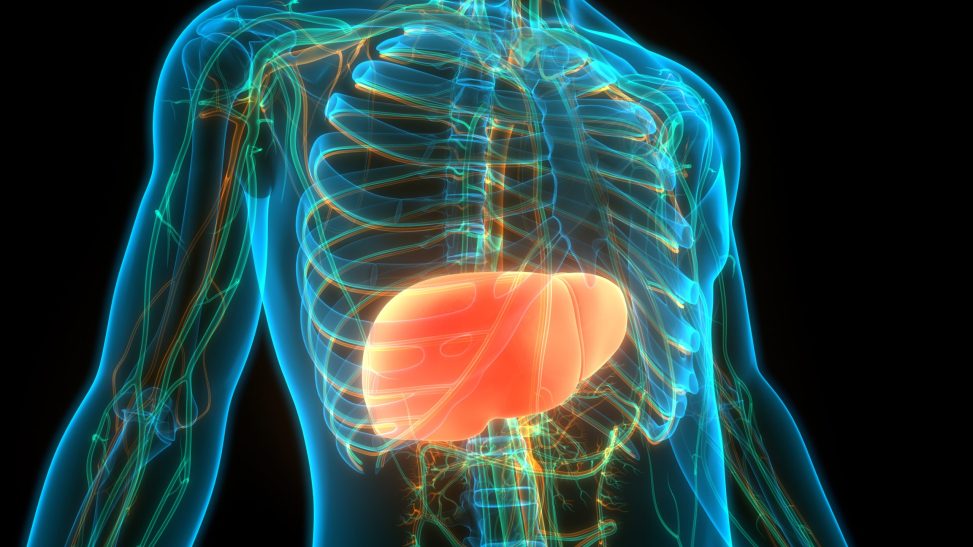
1. The Role of Fruit in Supporting Liver Health
Fruits have long been recognized as nature’s powerhouse of vitamins, minerals, antioxidants, and fiber. But beyond general nutrition, research has increasingly shown that specific fruits play a unique role in improving liver function, regulating blood sugar, and balancing cholesterol levels. This is particularly important in today’s world, where conditions like non-alcoholic fatty liver disease (NAFLD), prediabetes, and high cholesterol are on the rise due to sedentary lifestyles and poor dietary patterns.
The liver is the body’s natural detox center. It processes nutrients, regulates blood sugar storage and release, and manages cholesterol metabolism. When excess fat builds up in liver cells, the organ struggles to function properly. Studies show that diets rich in certain fruits help reduce fat accumulation in the liver by providing antioxidants that fight oxidative stress, dietary fiber that improves digestion and sugar control, and natural plant compounds (like flavonoids and polyphenols) that support liver regeneration.
Fruits also provide low glycemic energy, meaning they release sugar into the bloodstream slowly, preventing dangerous spikes in blood sugar. For cholesterol management, the soluble fiber in fruits binds with cholesterol in the digestive tract and helps eliminate it, preventing it from being reabsorbed into the bloodstream.
Understanding which fruits have the strongest scientific support is crucial for anyone looking to naturally improve liver health, maintain stable blood sugar, and protect the heart. In this article, we’ll focus on three fruits backed by solid research: blueberries, grapes, and apples. Each offers unique benefits for the liver, sugar metabolism, and cholesterol regulation.
2. Blueberries: A Powerful Ally Against Fatty Liver
Blueberries are often labeled as a “superfruit,” and for good reason. They are rich in anthocyanins, the pigments that give them their deep blue-purple color. Anthocyanins are powerful antioxidants that neutralize harmful free radicals, which play a major role in liver damage and the progression of fatty liver disease.
Scientific studies have shown that regular blueberry consumption helps reduce fat buildup in the liver by enhancing fat metabolism and reducing inflammation. For example, research published in the Journal of Agricultural and Food Chemistry found that blueberry extracts improved liver enzyme function and reduced oxidative stress in patients with fatty liver conditions.
In terms of sugar regulation, blueberries have a low glycemic index (GI), which means they do not cause sharp spikes in blood sugar levels. Instead, they support steady glucose control, making them an excellent choice for people managing insulin resistance or type 2 diabetes. Blueberries also improve insulin sensitivity, allowing the body to use glucose more effectively.
When it comes to cholesterol, the soluble fiber and plant compounds in blueberries have been shown to reduce LDL (bad cholesterol) while supporting HDL (good cholesterol) levels. This dual action helps protect cardiovascular health while supporting liver function.
Lifestyle Application: Adding a daily serving of blueberries—whether fresh, frozen, or blended into a smoothie—can provide ongoing protection for the liver and metabolic system. Even small amounts, such as half a cup per day, can contribute to measurable improvements in health markers.
3. Grapes: A Natural Protector of Liver Cells
Grapes, especially red and purple varieties, are loaded with resveratrol, a compound widely studied for its liver-protective and heart-supporting properties. Resveratrol is a polyphenol that acts as both an antioxidant and an anti-inflammatory agent. Research has shown that it helps prevent the accumulation of fat in the liver while also protecting liver cells from damage caused by toxins and oxidative stress.
Grapes are also high in natural compounds like flavonoids, tannins, and catechins, all of which contribute to improved liver enzyme activity. Studies published in Hepatology indicate that grape extracts and resveratrol supplementation reduce inflammation in the liver and improve overall liver function in patients with fatty liver conditions.
From a blood sugar perspective, grapes—despite their natural sweetness—have compounds that support glucose metabolism. Resveratrol in particular improves insulin sensitivity, allowing for better control of blood sugar levels. Grapes also stimulate the release of nitric oxide, which improves circulation and supports overall metabolic health.
In terms of cholesterol, grapes play a dual role: the soluble fiber in their skins helps reduce cholesterol absorption in the intestines, while their antioxidants prevent LDL cholesterol from oxidizing, which is a key step in the development of artery-clogging plaques.
Lifestyle Application: Enjoying a small bunch of grapes or a glass of natural grape juice (without added sugar) can provide these health benefits. Red and purple grapes are particularly effective, and studies suggest that consuming them regularly supports long-term liver and heart health.
4. Apples: Fiber-Rich Fruit for Sugar and Cholesterol Balance
Apples are one of the most widely consumed fruits in the world, and they carry a unique nutritional profile that directly supports liver health, blood sugar regulation, and cholesterol management. The standout compound in apples is pectin, a form of soluble fiber. Pectin binds with cholesterol in the digestive system, preventing its absorption and promoting its elimination. This action helps lower LDL cholesterol levels and contributes to overall cardiovascular health.
From a liver health perspective, apples contain quercetin, a flavonoid with strong antioxidant and anti-inflammatory properties. Quercetin helps reduce oxidative stress in liver cells and prevents fat accumulation in the liver. Animal studies have suggested that regular apple consumption reduces liver enzymes linked to fatty liver disease.
Apples also have a low glycemic load, meaning they provide a steady release of sugar into the bloodstream. The fiber in apples slows down digestion, preventing blood sugar spikes and supporting insulin sensitivity. This makes apples especially beneficial for individuals managing blood sugar fluctuations or early signs of diabetes.
The combination of pectin, antioxidants, and natural fruit sugars makes apples a well-rounded option for maintaining metabolic health. Eating the fruit with the skin intact provides maximum benefits, as most antioxidants and fiber are concentrated in the skin.
Lifestyle Application: Incorporating one apple a day into the diet is an easy yet powerful step. Apples can be eaten raw, added to salads, or lightly cooked for a warm dish. For best results, opt for whole apples instead of juices, as juicing removes much of the fiber.
5. How These Fruits Work Together for Optimal Health
While blueberries, grapes, and apples each offer unique health-promoting compounds, the synergy between them is even more powerful. Scientific studies highlight that consuming a variety of fruits rich in antioxidants, fiber, and natural plant compounds produces a cumulative effect on liver health, sugar regulation, and cholesterol balance.
Blueberries primarily provide anthocyanins, grapes supply resveratrol, and apples contribute pectin and quercetin. Together, these compounds reduce inflammation, prevent fat buildup in the liver, improve insulin sensitivity, and regulate cholesterol. This multi-pronged approach addresses the root causes of fatty liver disease and metabolic disorders, rather than just treating symptoms.
In addition, the fiber content across these fruits supports digestive health, which indirectly improves liver function by reducing the burden of toxins. The antioxidant load from all three fruits provides protection at the cellular level, ensuring that the liver and cardiovascular system remain resilient against stress.
Lifestyle Application: A balanced daily intake of these three fruits can be achieved through simple habits. For example, a breakfast smoothie with blueberries, a mid-morning apple, and a handful of grapes as an afternoon snack. This pattern ensures steady energy, controlled sugar release, and continuous antioxidant protection throughout the day.
6. Blueberries and Their Antioxidant Advantage
One of the strongest reasons blueberries stand out for liver and metabolic health is their antioxidant density. Antioxidants are crucial because they combat oxidative stress, a condition where harmful free radicals damage liver cells and blood vessels. Over time, oxidative stress accelerates the development of fatty liver disease, insulin resistance, and cholesterol imbalance.
Blueberries contain a variety of antioxidants, but anthocyanins are the most studied. These pigments not only give blueberries their deep color but also support liver detoxification pathways. Studies have shown that anthocyanins enhance the activity of glutathione, one of the body’s master antioxidants produced in the liver. By boosting glutathione, blueberries indirectly strengthen the liver’s ability to process toxins and repair itself.
Additionally, blueberries reduce inflammatory markers such as C-reactive protein (CRP) and interleukin-6 (IL-6). Chronic inflammation is one of the main drivers of liver fat accumulation and metabolic syndrome. By lowering inflammation, blueberries help break the vicious cycle of fat buildup, insulin resistance, and cholesterol imbalance.
Lifestyle Application: Consuming blueberries regularly can be as simple as topping oatmeal or yogurt with fresh or frozen berries. For those who prefer variety, blueberry-infused water or herbal teas can also deliver beneficial antioxidants throughout the day.
7. Grapes and Resveratrol: Scientific Evidence
Among all the compounds found in grapes, resveratrol has attracted the most scientific attention. This naturally occurring polyphenol is concentrated in grape skins and seeds, especially in red and purple grapes. Resveratrol’s role in protecting the liver has been validated in multiple studies, with evidence showing it reduces fat accumulation, lowers liver enzyme levels, and improves mitochondrial function inside liver cells.
One of the key mechanisms is resveratrol’s ability to activate SIRT1, a protein linked to energy regulation and metabolic balance. By stimulating SIRT1, resveratrol promotes fat burning, reduces liver fat storage, and improves insulin sensitivity. This makes grapes particularly beneficial for individuals with non-alcoholic fatty liver disease (NAFLD) or early signs of type 2 diabetes.
In addition to liver health, resveratrol is a potent cholesterol regulator. It inhibits LDL cholesterol oxidation, a process that contributes to plaque formation in arteries. Preventing oxidation means reducing the risk of cardiovascular disease, which often accompanies fatty liver.
Lifestyle Application: Eating grapes whole ensures maximum nutrient intake. However, for those who prefer drinks, freshly pressed grape juice (without added sugar) retains resveratrol and polyphenols. Grape seed extract, available as a supplement, is another option backed by scientific studies, though whole fruit is always the most natural choice.
8. Apples and the Importance of Pectin
Apples bring a unique nutrient to the table: pectin, a form of soluble fiber that plays a dual role in metabolic health. First, pectin helps lower cholesterol by binding with bile acids in the digestive system. Since the body uses cholesterol to make bile acids, eliminating them forces the liver to draw cholesterol from the bloodstream, thereby lowering LDL levels naturally.
Second, pectin slows down the absorption of sugar into the bloodstream. This prevents sudden spikes in blood sugar after meals, a critical factor for individuals managing insulin resistance or prediabetes. The slow release of glucose ensures sustained energy and less burden on the liver’s sugar storage mechanisms.
Apples also contribute polyphenols such as quercetin and catechins, both of which reduce liver inflammation and oxidative stress. Quercetin in particular has been studied for its ability to lower blood pressure, improve vascular health, and support fat metabolism.
Lifestyle Application: To maximize benefits, it’s best to eat apples with the skin intact, as this is where most fiber and antioxidants are concentrated. Incorporating apples into daily snacks, salads, or even baked dishes provides consistent pectin intake. Choosing whole apples over juices is key, as juicing removes fiber and concentrates sugars.
9. The Impact of Blueberries on Blood Sugar Regulation
Blueberries are particularly effective in supporting blood sugar stability. Research shows that blueberry consumption improves insulin sensitivity, meaning the body can use insulin more efficiently to move glucose into cells. Poor insulin sensitivity is one of the first steps toward type 2 diabetes, so improving this function is a protective measure against long-term metabolic disorders.
A study published in the Journal of Nutrition found that participants who consumed blueberry smoothies daily showed significant improvements in insulin sensitivity within just six weeks. The researchers attributed this effect to polyphenols, which help the pancreas release insulin more efficiently and improve glucose uptake in muscles.
Another benefit is the low glycemic index of blueberries. Despite their natural sweetness, they release glucose slowly, preventing energy crashes and sugar spikes. This makes them ideal not only for individuals with diabetes risk but also for anyone looking to maintain steady energy throughout the day.
Lifestyle Application: Blueberries can be included in post-workout snacks to replenish glycogen stores without spiking blood sugar. Blending them into smoothies with protein sources like Greek yogurt or almond butter makes a nutrient-dense option for recovery and blood sugar stability.
10. Grapes for Cholesterol Management
Grapes play a crucial role in managing cholesterol levels, thanks to their fiber and polyphenol content. The soluble fiber in grapes reduces cholesterol absorption, while the polyphenols prevent LDL cholesterol from oxidizing. Oxidized LDL is particularly harmful because it triggers inflammation in artery walls and contributes to plaque buildup.
Clinical studies have shown that consuming grapes regularly can reduce total cholesterol and triglycerides while boosting HDL cholesterol. In one study published in the American Journal of Clinical Nutrition, participants who ate grapes daily saw significant reductions in LDL cholesterol within just a few weeks.
Resveratrol also supports vascular flexibility, improving circulation and reducing the risk of arterial stiffness. Combined with the liver-protective benefits, grapes provide a comprehensive shield against metabolic disorders that link the liver, sugar, and cholesterol.
Lifestyle Application: Incorporating grapes as part of a balanced diet is simple. A serving of grapes in the afternoon can replace processed snacks and provide natural sweetness along with fiber and antioxidants. For individuals monitoring calorie intake, portion control is key—about one cup per day is enough to gain benefits without overloading on natural sugars.
11. Blueberries and Inflammation Control
One of the hallmarks of fatty liver disease is chronic inflammation within liver tissues. Over time, this silent inflammation causes scarring, impairs detoxification, and worsens fat accumulation. Blueberries directly address this issue through their high concentration of polyphenols and anthocyanins, which have been shown to reduce inflammatory markers.
Animal and human studies reveal that blueberry consumption lowers levels of tumor necrosis factor-alpha (TNF-α) and C-reactive protein (CRP)—two key markers of systemic inflammation. Lowering these levels not only improves liver function but also reduces risks of insulin resistance and heart disease.
Lifestyle Application: A daily intake of blueberries—about half a cup to one cup—is sufficient to deliver these anti-inflammatory benefits. Consistency is more important than large quantities, so small but regular servings work best.
12. Grapes and Liver Enzyme Regulation
Liver enzymes such as ALT (alanine aminotransferase) and AST (aspartate aminotransferase) are used by doctors to measure liver health. Elevated levels often indicate liver stress or damage. Clinical studies have shown that grape consumption—especially red and purple varieties—can normalize liver enzyme levels, signaling improved liver function.
Resveratrol, catechins, and tannins in grapes reduce oxidative damage to liver cells and support hepatic regeneration. In addition, grapes enhance blood circulation, ensuring that nutrients and oxygen reach liver tissues efficiently for healing and repair.
Lifestyle Application: Eating a moderate portion of grapes daily supports enzyme balance. Pairing grapes with protein sources like nuts creates a balanced snack that aids liver and heart health simultaneously.
13. Apples and Liver Detoxification Pathways
Apples are rich in phytochemicals that stimulate the liver’s natural detoxification pathways. Compounds like quercetin, catechins, and chlorogenic acid enhance the liver’s ability to neutralize toxins and eliminate them from the body. This is particularly valuable for people exposed to everyday pollutants or processed foods that increase liver workload.
The pectin content also helps cleanse the digestive tract, reducing the amount of harmful substances reaching the liver. By supporting gut health, apples indirectly reduce liver stress, since the gut-liver connection plays a major role in detoxification.
Lifestyle Application: Starting the day with an apple provides a fiber-rich foundation that supports digestion and liver detox. For additional benefits, pairing apples with herbal teas like green tea enhances antioxidant synergy.
14. Blueberries and Heart-Liver Connection
The liver and heart are closely linked—imbalances in cholesterol and blood sugar often affect both organs. Blueberries not only reduce liver fat but also improve vascular function. Anthocyanins strengthen blood vessels, reduce arterial stiffness, and improve circulation.
A study in the American Journal of Clinical Nutrition reported that daily blueberry intake improved blood pressure and arterial flexibility in adults at risk of heart disease. This dual action protects both the liver and cardiovascular system.
Lifestyle Application: Blueberries can be combined with oats or chia seeds for a breakfast rich in fiber and antioxidants, supporting both liver and heart health.
15. Grapes and Antioxidant Synergy
Grapes contain a unique cocktail of antioxidants—resveratrol, flavonoids, tannins, and catechins—that work synergistically to protect the liver and regulate blood sugar. This combination reduces oxidative stress more effectively than isolated compounds.
Studies suggest that this synergy enhances mitochondrial activity within liver cells, improving fat metabolism and energy efficiency. This reduces the accumulation of triglycerides in liver tissues.
Lifestyle Application: Consuming whole grapes rather than isolated extracts ensures full antioxidant synergy. Freezing grapes for a refreshing snack can also make it easier to integrate them daily.
16. Apples and Weight Management
Excess weight is one of the primary risk factors for fatty liver disease. Apples contribute to weight control due to their high fiber and water content, which promote satiety. Eating apples before meals has been shown to reduce overall calorie intake, helping individuals maintain a healthy weight.
In addition, the polyphenols in apples improve fat oxidation, encouraging the body to use stored fat as energy. This effect supports both weight management and liver health.
Lifestyle Application: Eating an apple before lunch or dinner can act as a natural appetite regulator, supporting weight loss and reducing the risk of liver fat buildup.
17. Blueberries and Cognitive Health Link
An often-overlooked benefit of blueberries is their impact on cognitive function, which indirectly supports liver and metabolic health. Stress and poor mental function can contribute to unhealthy eating habits and poor lifestyle choices, which in turn worsen liver and metabolic disorders.
Blueberries improve memory, learning, and mental clarity by reducing oxidative stress in brain cells. Research has linked blueberry intake to improved cognitive performance in older adults, thanks to anthocyanins crossing the blood-brain barrier.
Lifestyle Application: A morning smoothie with blueberries not only supports liver health but also sharpens mental focus for the day, encouraging healthier lifestyle habits.
18. Grapes and Blood Pressure Regulation
High blood pressure often accompanies fatty liver disease and cholesterol imbalance. Grapes help regulate blood pressure through their potassium content and resveratrol’s ability to relax blood vessels. By improving endothelial function, grapes reduce strain on both the liver and heart.
Studies confirm that regular grape consumption lowers systolic and diastolic blood pressure, reducing the burden on the circulatory system. This further prevents complications tied to fatty liver and cardiovascular disease.
Lifestyle Application: Incorporating grapes into a diet rich in leafy greens enhances potassium intake and helps maintain healthy blood pressure levels.
19. Apples and Gut Microbiome Balance
Recent research highlights the importance of the gut-liver axis. A healthy gut microbiome reduces inflammation, improves sugar metabolism, and lowers fat buildup in the liver. Apples support gut health by providing both soluble fiber (pectin) and prebiotic compounds that feed beneficial gut bacteria.
A balanced microbiome produces short-chain fatty acids (SCFAs), which reduce inflammation and improve insulin sensitivity. This makes apples an essential fruit for maintaining harmony between the gut and liver.
Lifestyle Application: Eating apples with probiotic-rich foods like yogurt or kefir enhances gut health, creating a strong foundation for liver and metabolic balance.
20. Integrating Blueberries, Grapes, and Apples into Daily Life
The real power of these fruits lies in consistent integration into everyday life. Each fruit offers unique compounds—anthocyanins in blueberries, resveratrol in grapes, and pectin in apples—that work best when consumed regularly and in combination.
A simple daily routine might look like this:
-
Breakfast: Oatmeal topped with blueberries.
-
Mid-morning snack: A fresh apple.
-
Afternoon: A handful of grapes.
This approach ensures continuous delivery of fiber, antioxidants, and phytochemicals that fight fatty liver, regulate blood sugar, and balance cholesterol throughout the day.
Strong Conclusion
Science clearly supports the power of blueberries, grapes, and apples in protecting the liver, regulating sugar, and managing cholesterol. Each fruit brings unique bioactive compounds—anthocyanins, resveratrol, and pectin—that address different aspects of metabolic health. When combined, they form a nutritional shield that reduces liver fat, improves insulin sensitivity, lowers cholesterol, and strengthens cardiovascular resilience.
Unlike quick-fix solutions, these fruits offer a sustainable and natural approach to wellness. By integrating them into daily meals and snacks, anyone can take proactive steps toward preventing fatty liver disease, stabilizing blood sugar, and maintaining a healthy heart.
The message is clear: a simple habit of eating these three fruits regularly can transform long-term health outcomes. Backed by science and supported by everyday practicality, blueberries, grapes, and apples are not just fruits—they are nature’s prescription for liver health, sugar regulation, and cholesterol balance.