
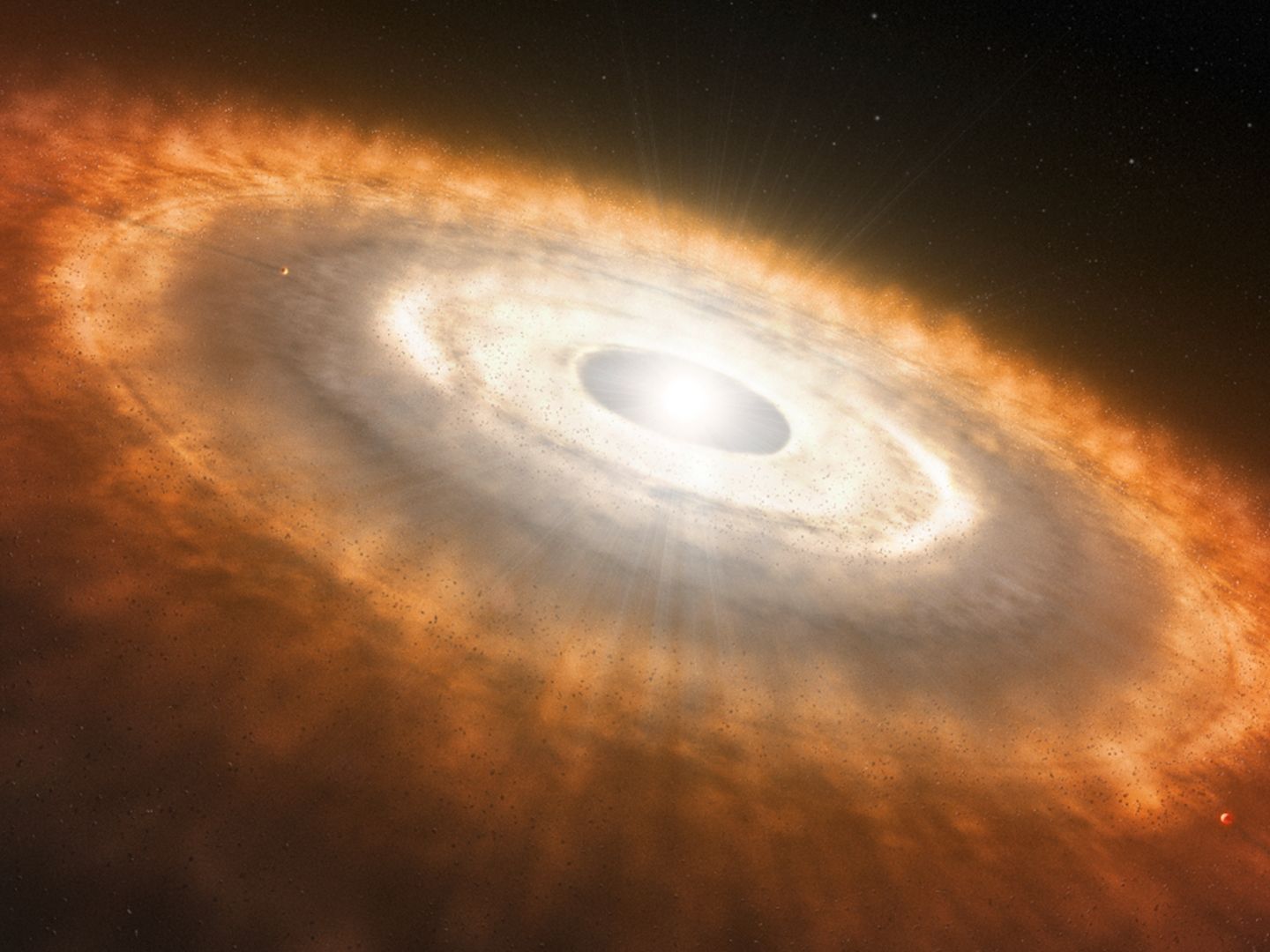
For centuries, humanity has wondered: Are we alone in the universe? Today, thanks to advanced space telescopes, we are closer than ever to answering that question. The James Webb Space Telescope (JWST) has recently revealed groundbreaking details about planets orbiting within the “habitable zone” — the region around a star where conditions may allow liquid water to exist.
These discoveries mark a major step forward in the search for life beyond Earth.
What Are Habitable Zones?
The habitable zone is often called the “Goldilocks zone” — not too hot, not too cold, but just right for water. While being in this zone doesn’t guarantee a planet is habitable, it significantly increases the chances.
JWST’s infrared vision is allowing astronomers to study the atmospheres of these planets like never before. By analyzing starlight as it filters through alien skies, scientists can detect gases like water vapor, carbon dioxide, and methane — potential indicators of habitability.
Exciting New Discoveries
Some of the most promising findings so far include:
TRAPPIST-1 System: This star has seven Earth-sized planets, three of which orbit in the habitable zone. JWST has detected signs of atmospheric variation that could hint at water or protective atmospheres.
K2-18b: A super-Earth located about 120 light-years away. Recent Webb data suggests the presence of carbon-bearing molecules, raising hopes that it might support life-friendly chemistry.
LHS 1140b: Another nearby super-Earth candidate that lies comfortably in its star’s habitable zone, with hints it may have a dense atmosphere capable of retaining heat.
Why Atmospheres Matter
A planet’s atmosphere acts like a shield and a blanket — protecting against harmful radiation while trapping heat to maintain surface temperatures. Without it, even a planet in the habitable zone could be barren, like Mars.
Webb’s ability to probe atmospheric composition is revolutionary. For the first time, scientists can look for chemical fingerprints that might suggest biological processes, such as oxygen paired with methane.
The Big Question: Life Beyond Earth?
While no conclusive evidence of life has been found yet, these discoveries bring us closer to answering one of humanity’s oldest questions. Even finding a planet with conditions similar to Earth would be historic — proving that Earth is not unique, and that potentially habitable worlds are more common than we once believed.
What’s Next in the Search
NASA and other space agencies are already planning future missions to expand this search:
Habitable Worlds Observatory (planned for the 2030s) will directly image Earth-like planets around nearby stars.
Ground-based observatories like the Extremely Large Telescope (ELT) will complement Webb’s work with even sharper detail.
Conclusion
The Webb Telescope’s exploration of habitable-zone planets is rewriting our understanding of the universe. While the ultimate proof of life elsewhere may still be years away, every new discovery strengthens the possibility that we are not alone.
As Webb peers deeper into the cosmos, it’s uncovering not just strange new worlds, but also a profound truth: the conditions for life may be far more common than we ever imagined.

